Meta credits its ads for any conversion it can link to a view or click; GA4 shares credit among the visits it can see. Here is how to tell a counting difference from a tracking error.
Google Ads and GA4 count the same lead under different rules. Here is what Google documents as normal, and how to spot the gaps that mean your tracking is broken.
GA4 rarely breaks loudly. A duplicate tag, a key event on the wrong action or a payment domain taking the credit can quietly distort every lead report. Here is how to spot each mistake and fix it.
Search Console shows how Google Search sees and shows your site before the visit; GA4 shows what visitors from every channel do after they arrive. Here is why their numbers differ and which one to trust for what.
When GA4, Google Ads and sales report different numbers, some of the gap is counting and some is error. This checklist shows what a tracking audit checks, area by area, and what its report must hand you.
GA4 is where your measurement data is reported; Google Tag Manager is how tracking code gets onto your site. Here is when the Google tag alone is enough, when GTM earns its place, and who should control it.
A free-zone address satisfies the licence, not Google. How flexi-desk companies in the UAE choose between no profile, a service-area profile or a staffed office, and avoid suspension.
Shipping is the easy part. Before selling into a second Gulf market, settle the route, the VAT-inclusive price, the delivery and returns promise, payments and the pages and ads each market sees.
The chat opens from the ad, the price goes out, and the buyer disappears. A diagnosis of where WhatsApp inquiries cool inside your own business, and the order in which to fix it.
Saudi rules require recorded consent, a named sender and an opt-out as easy as or easier than opting in. Here is how to apply them to forms, WhatsApp, SMS, email and your CRM, and what SDAIA's October 2026 draft may add.
Automation can keep every quotation moving without making buyers feel chased. Here is what to automate, what to leave to your salespeople, and the channel rules each touch has to respect.
Permanent codes teach customers to wait. Build Meta campaigns for a fashion store around collections, catalogue retargeting and dated drops, and check the local discount rules before any sale.
Most small labels shoot for Instagram, then patch together store and marketplace images. Plan one shoot around every channel's rules, and the same dress looks the same colour everywhere.
A new company's social profiles should look organised on launch day, not a week later. This 30-day plan sets up ownership, handles, profiles, a first content bank and creator checks in the right order.
Leads arrive by form, call, WhatsApp, email and in person, and each channel keeps its own list. A diagnosis of where leads fall out of the record, and the smallest stack that keeps every one.
Kuwaiti branches sit on blocks, in malls and inside co-ops, not on numbered streets. How to write each address, place each pin, handle Arabic and English, and track calls and directions per branch.
Accessory shops lose margin when the box is all a customer can compare. How to win nearby searches, prove your fitting skill in short videos and sell the finished job instead of the part.
Dubai recruiters often decide from a search result card. Here is how to rebuild your LinkedIn profile for the UAE: location, availability wording, local search terms, bilingual skills and a CV that matches.
Referred clients often check a firm's website before they call. Here is how to build the identity, practice pages, licensing information and client templates around the questions they are asking.
Orders by DM worked while the brand was small. A diagnosis of the signals that a Kuwaiti brand needs its own store, and what KNET payments, area-and-block delivery and the 2026 digital commerce law require.
Your cookie banner decides what GA4 and Google Ads can measure. Here is how to choose basic or advanced consent mode, and what Saudi, UAE, Egyptian and Qatari rules imply for the banner itself.
Engineers check specifications, procurement needs documents and a quote, and buyers want a local supplier. Here is how a manufacturer's website serves all three.
Good click-through rate, cheap clicks, and an empty inbox. A diagnosis of the five places paid traffic is lost between the click and the inquiry, and the order in which to fix them.
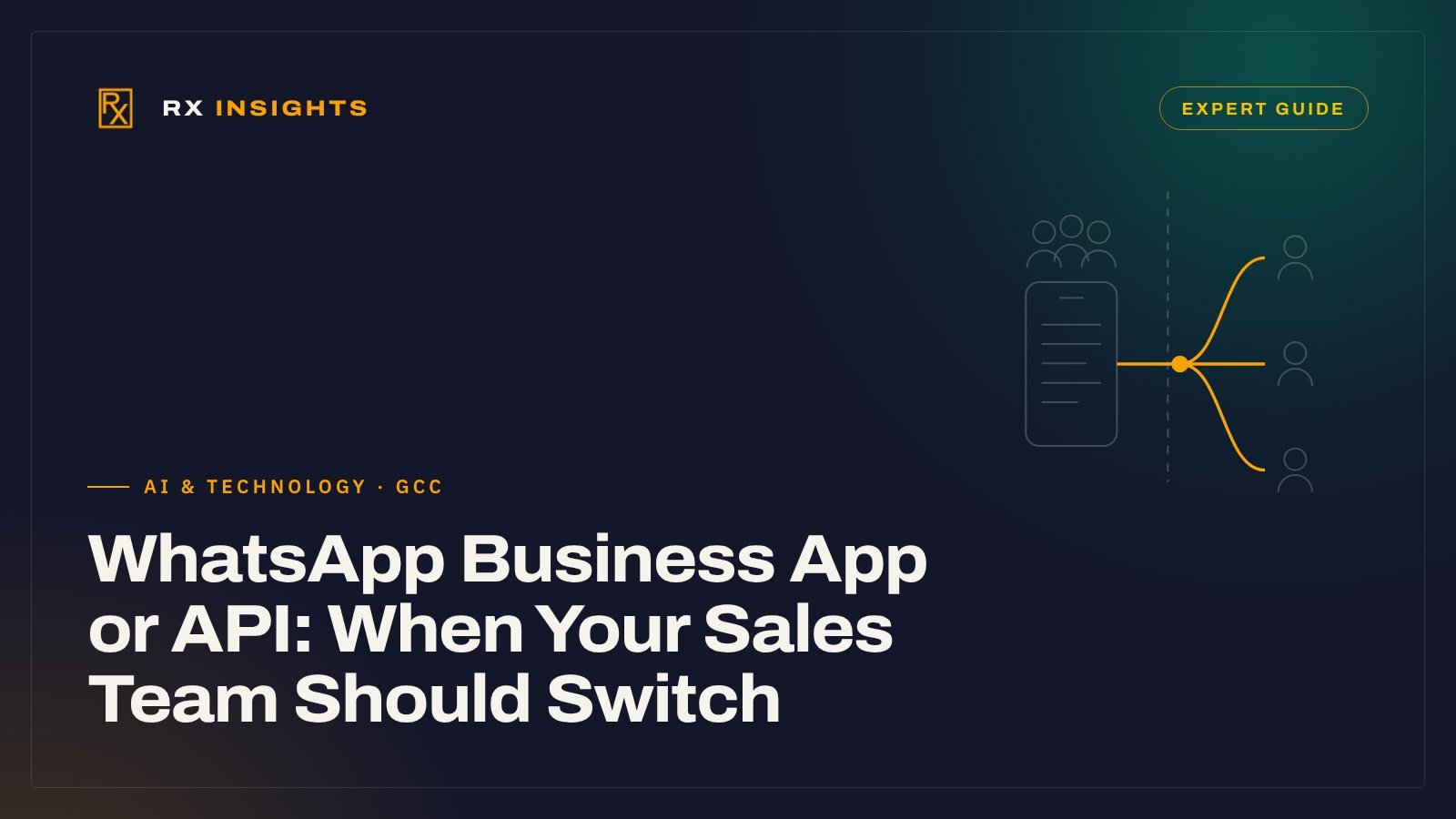
Inquiry volume is a poor trigger. The real signals are how many people share the inbox, whether chats reach the CRM, follow-up after 24 hours, ad attribution and consent records.
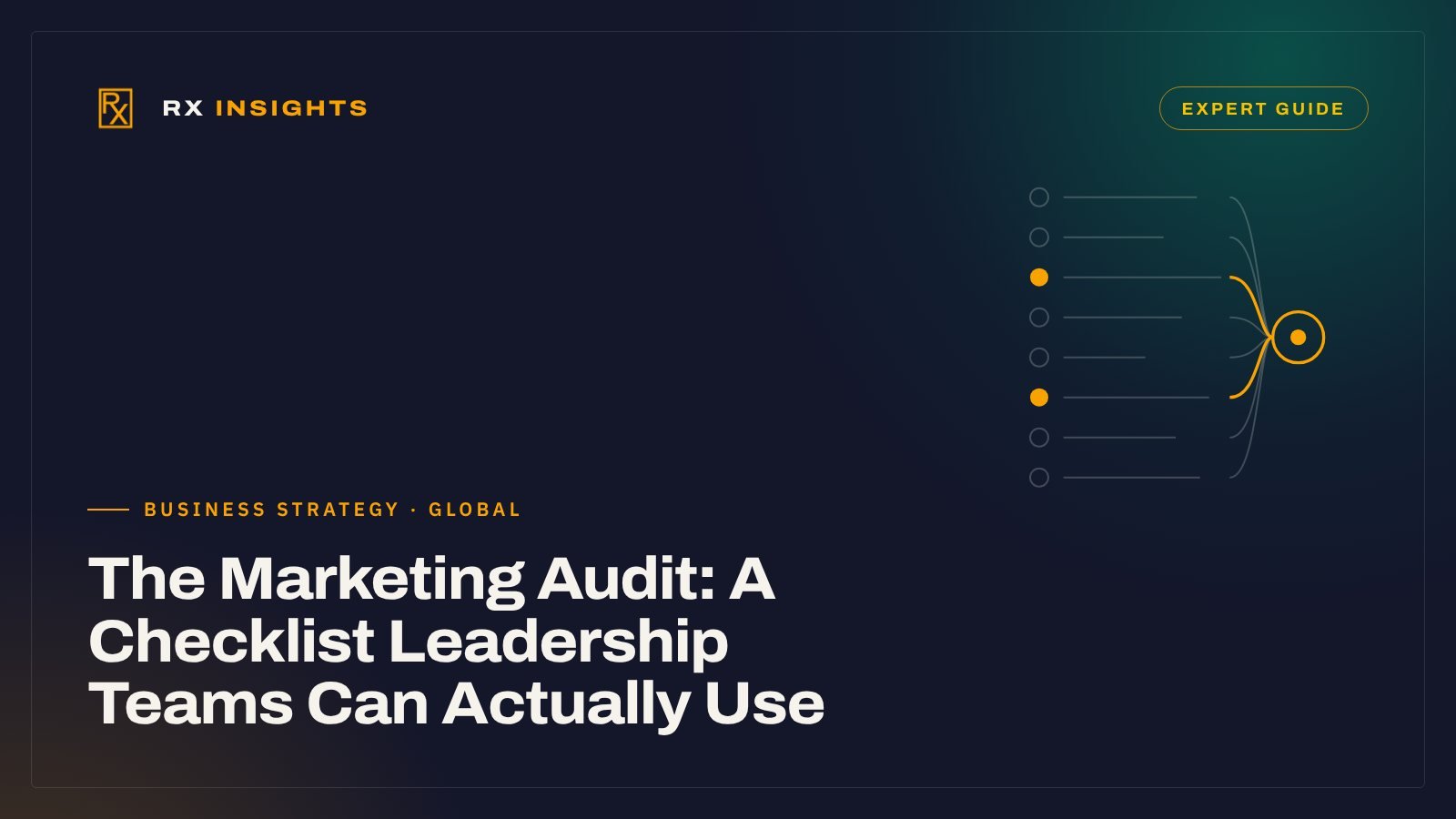
Before you change agency, budget or brand, review eight areas with evidence. Here is what to check in each, what good looks like, and how to turn the findings into one decision.
WhatsApp-first conversations, Arabic records, quotation revisions and distributor channels: the requirements a regional B2B CRM must meet, and the data questions to put to every vendor.
Which UAE rules reach your website depends on whether it sells, who it sells to and your sector. Here is what the official texts say, what buyers expect anyway, and a checklist to confirm with your licensing authority.
Clients and referrers check the partner as well as the firm. Here is how to make the website bio and the LinkedIn profile tell one consistent, compliant and confidential story.
Portfolios and prices do not show you what happens to your content, your Google rankings or your accounts. These are the questions that do, and the answers that should make you pause.
Refill, inspection and maintenance demand is local and driven by compliance deadlines. Here is how to build Search campaigns that reach facility managers with a deadline, not people shopping for extinguishers.
Hundreds of form leads, a third of them unreachable, and a sales team that has stopped calling. Why instant forms favour easy submissions, how to check which cause is yours and what to fix first.
Consultants and developers check a contractor's website before the shortlist. Here is a structure that answers their questions and gives you a fair chance in discipline-and-city searches.
Clinics rarely lack searches; they lose patients between Maps, the website and WhatsApp. A step-by-step build for branch profiles, service pages, booking handover and tracking that keeps health data out of ad platforms.
Many B2B teams sell on WhatsApp without a written process. Here is a five-stage flow, with Arabic and English wording, that takes an inquiry from the first message to a confirmed quotation and into the CRM.
Google's September 2026 spam update, which applies globally and in all languages, finished rolling out on 8 October. Here is how Gulf and Egyptian site owners can tell whether it affected them, and what to do if it did.
Same budget, same campaigns, higher cost for every inquiry. How to tell whether the cause is inside your account, offer and website or in the auction itself, and which to check first.
Google now states plainly that hyphens, not underscores, should separate words in URLs. Read with its guidance on Arabic and percent-encoding, it gives bilingual sites a clear basis for new slugs, and no reason to rename URLs that already work.
Independent US data shows people click less when Google shows an AI summary; Google says the clicks left are better. Here is how to check what is happening to your traffic and what to change on the site.
Google says no one can guarantee a #1 ranking and you should never have to link to your SEO. Here is how to use that advice, plus the Gulf-specific questions, to judge any SEO proposal.
Google's 13 October Demand Gen update adds a Data Strength Uplift metric and extends Data Manager. For companies whose deals close on calls and WhatsApp, it is a prompt to send sales outcomes back to Google.
Shippers search by lane, mode and cargo, not for 'worldwide delivery'. How to build a forwarder's site and ads around that: lane pages, a short quote form, a clean WhatsApp handover and proof buyers can check.
Security vendor Patchstack reports that nearly half of new WordPress vulnerabilities had no fix when they went public. Here is what a care plan should cover beyond plugin updates, and the proof to ask for before you sign.
Sessions are steady, the contact form is quiet and new business still arrives by referral. A page-by-page diagnosis of where visitors leave your website, why they leave, and what to fix first.
Vague website briefs produce proposals you cannot compare and projects that stall waiting for content. Here is the five-part pack to prepare before you ask any agency for a quote.
Ads rent a position for as long as you pay; SEO earns one you cannot schedule. A decision framework for Gulf B2B companies with long sales cycles, small search markets and AI answers taking clicks.
A Company Page takes ten minutes to create and months to fix if it is set up carelessly. Use this checklist to build one properly, or to check the work your team or agency has already done.
A homepage is built to introduce a company. A paid click needs a page built to answer one question and take one request. Here is what Google and Meta actually say, and what a quotation page needs.
OpenAI does not publish how ChatGPT picks its sources, but it does document what a website controls. Here is how to make sure you can be found, keep the wrong pages out, and measure the visits.
B2B buyers in the Gulf search rarely but with intent. How to build Search campaigns around the few queries that matter, keep the rest out, and teach bidding that a quotation request is worth more than a click.
One profile per staffed location, one name in every branch, and ownership that stays with the company. How head offices in the Gulf and Egypt set up branch profiles that stay live.
On a B2B site nobody buys online, so GA4 has to be told what a lead is. Here is which forms, calls and WhatsApp taps to mark as key events, how to avoid double counting, and which number to trust.
Gulf buyers open your website while they check your registration file. This checklist covers what each page must show, and the structured data that tells Google who you legally are.
Service replies over 1,000 a month and in-window utility messages are now charged, and marketing rates rose again in Saudi Arabia and the UAE. Here is how to budget using Meta's own documentation.
Hundreds of tool 'errors' are not an audit. Here is what a credible technical review of a corporate or bilingual site checks, the documentation behind each check, and what the report must hand you.
Saudi website quotes differ because they price different scopes. These are the line items behind the number, the local items most proposals forget, and how to compare bids like for like.
Price tables cannot price your website because they do not know your scope. Six decisions, the new data protection item and a one-page brief let Egyptian companies compare quotes like for like.
A better headline is not a deliverable. Here is what a LinkedIn profile rewrite for the Saudi market should hand over, and how to judge the draft before you sign it off.
Most marketing reports are written for the people running the campaigns. Here is the one-page dashboard that ties spend to pipeline and revenue, and how to handle Ads, GA4 and CRM numbers that never match.
Google's 21 October documentation update puts the Search generative AI control next to noindex and nosnippet. Here is what it does, what it costs, and when a Gulf business should actually use it.
Gulf recruiters search before they read. A step-by-step guide for Egyptian engineers, managers and specialists to appear in the right searches for Saudi Arabia, the UAE and Qatar.
Google's AI content guide now references the rater guidelines on scaled and low-effort content. AI is still allowed, but bilingual sites, templated city pages and product catalogues in the Gulf need a closer human review.
Ads that open WhatsApp can fill a sales inbox with one-word chats. Here is how quotation-led businesses set the right goal, write the first message and qualify buyers in three questions.
"Bilingual" appears in almost every Gulf brand brief and is rarely specified. Here is what a proper Arabic-English identity system includes, and how to check yours.
Meta's Business Agent now answers WhatsApp chats for a per-token fee, and WhatsApp requires a clear route to a human. Here is which inquiries an agent should handle, and which it should not.
Many bilingual Gulf websites are an English site with a translation button. Here are the structural decisions, from URLs and hreflang to redirects and RTL, that let both versions get found and read properly.
What Arabic SEO involves for a Saudi B2B company: Arabic service pages written around the terms buyers use, branch profiles on Google Maps, reporting by language, and what an engagement should include.
Gulf and Egyptian buyers search for the same product in English, Arabic, transliteration and several spellings. Here is how to find those variants, measure them honestly and map them to pages safely.