- In our view, collection prospecting, catalogue retargeting and customer re-engagement should run all year, with a dated sale layer switched on only a few times.
- Catalogue ads depend on ViewContent, AddToCart and Purchase events whose product IDs match the catalogue.
- Plan the shoot for the ad formats you will run, then release new edits from the same footage every week or two.
- Saudi Arabia's Ministry of Commerce requires a discount licence before a sale is announced; Dubai and Egypt have their own rules to check.
A pattern we see often in small online fashion stores on Meta: a 30% code goes out, sales jump for a weekend, and the next full-price week is quieter than the one before. After a few rounds the audience has learned the rule: wait, and a discount will come. The ad account looks busy, but margin and full-price sell-through keep falling.
This guide sets out a different structure for Facebook and Instagram ads for a clothing brand: campaigns built around collections, seasons and retargeting, a catalogue that does the repetitive work, a creative system fed by one well-planned shoot, and offers framed as dated, limited events rather than a permanent state. It also covers the discount rules that apply in Saudi Arabia, the UAE and Egypt, because in the Gulf a sale is not only a marketing decision.
Why permanent discounts damage a fashion store
A discount is a price signal. When it is always available, three things happen:
- The reference price moves. If a dress has carried “was 450, now 299” for two months, customers stop believing 450 was ever its price.
- The ad account may learn the wrong buyer. Purchase-optimised campaigns are delivered to people Meta expects to buy. If most recent purchases came from code-hunters, it is reasonable to expect more of the same people.
- Full-price weeks look like failures. The team compares every normal week with the last sale and reaches for another code.
The aim is not to never discount. Clearing end-of-season stock is normal and healthy. The aim is to make discounts rare, dated and explained, so that most revenue comes from new collections and from people who already like the brand.
A campaign structure built on collections, not codes
In our experience, a small store does better with a simple account than a complicated one, because fewer campaigns each get more purchases to learn from. One practical structure has three layers that run all year and one that switches on only a few times:
| Layer | Who it reaches | What it shows | Offer |
|---|---|---|---|
| Collection prospecting | New people, broad targeting | The current drop: hero video, lookbook carousel, styled outfits | None, or a first-order benefit such as free delivery |
| Catalogue retargeting | People who viewed products or added to cart | The exact items they looked at, plus related pieces | None by default; a reminder of sizes or stock |
| Customer re-engagement | Past buyers | New arrivals, early access, styling of pieces they already own | Early access, not a lower price |
| Dated sale (switched on 2 to 4 times a year) | Everyone above | End-of-season or occasion edit, clearly dated | A licensed, time-bound discount |
The key is what each layer is allowed to say. Prospecting sells the collection. Retargeting removes doubt: fit, fabric, delivery time, returns. Re-engagement rewards loyalty with access and attention. Only the sale layer talks about price, and it has a start and end date.
Setting up the catalogue and tracking properly
Catalogue ads (Meta now calls them Advantage+ catalog ads) pull images, descriptions and prices from your product feed and show people relevant items automatically. Meta’s developer documentation describes three parts: the catalogue feed, the Pixel or app events that measure what people do, and the ads that deliver items from the feed (Meta for Developers, Advantage+ catalog ads).
Tracking: the part most stores get wrong
For catalogue ads to retarget the right products, Meta’s Pixel guide says the site must send three standard events: ViewContent, AddToCart and Purchase, each carrying the product IDs (as content_ids or contents), and those IDs must match the IDs in your catalogue. You then confirm in Commerce Manager that the catalogue recognises the events, which Meta notes can take up to 24 hours to show (Meta Pixel for Advantage+ catalog ads).
Browser tracking alone can miss some activity, so many stores also send events from the server through the Conversions API. Meta says server events are processed like Pixel events for measurement and optimisation, and that a setup should be checked so events are “deduplicated and matched correctly” (Meta, Conversions API). Many e-commerce platforms offer a Meta integration that can send server events; whichever route you use, check that purchase values and currency arrive correctly before trusting any report.
One change worth knowing: Social Media Today reported in January 2025 that Meta was removing the “Audience Types” option from Advantage+ catalog ads using the sales objective, leaving catalogue custom audiences, which need the Pixel or app SDK, as the way to retarget product viewers (Social Media Today, 29 Jan 2025). We could not find this change described on a Meta developer page, so check the current options in Ads Manager. Either way, weak tracking means weak retargeting.
Feed fields that matter for fashion
Meta’s catalogue reference includes several fields that are especially useful for fashion (Meta catalog fields):
- item_group_id groups sizes and colours of the same product, so a shopper sees one abaya in three colours rather than three unrelated items.
- additional_image_link allows up to 50 extra photos per item, so on-model and detail shots can sit alongside the main image.
- custom_label_0 to 4 are five optional text fields of up to 100 characters. Meta’s reference describes them as custom text for ads; many stores also use them to tag items by collection (“Winter 26”), margin band or status (“new”, “last sizes”) and filter product sets on them.
- availability is required; Meta says out-of-stock items do not display in ads, which matters when a size run sells through.
- sale_price and sale_price_effective_date let a discount show only between set dates. Without an end date, Meta keeps the sale price active until you remove it, which is exactly how stores end up with a permanent discount nobody decided on.
If you sell in more than one country, Meta’s localised catalogues let you show translated titles, local currency prices and country-specific product links from one catalogue (Meta, localized catalogs). That is useful for a store serving Egypt in pounds and Saudi Arabia in riyals, with Arabic and English product names.
Feeding the ads with fresh creative
Catalogue ads handle the product grid. They do not tell the story of the collection, and prospecting needs creative that does: movement, fit and styling. Briefly, plan the shoot for the ad formats you will run (vertical 9:16 video for Stories and Reels, the same hero piece styled several ways, fit and detail shots that answer the doubts retargeting has to remove) rather than treating ads as an afterthought to a lookbook. Our guide to fashion product photography for e-commerce covers that shot list.
Then rotate. Rather than launching twenty ads on day one, we would release a small set, watch which hooks hold attention, and add new cuts from the same footage every week or two. Fatigue tends to show as rising frequency and falling click-through on the same audience, and new edits from existing footage are cheaper than a new shoot. A team that films with this plan in mind, whether an in-house content lead or a video and photography partner, can turn one shoot into weeks of ads.
Framing offers as drops, not discounts
A store still needs reasons for people to buy this week. Price is only one of them. Offers that create urgency without cutting the reference price include:
- Limited drops. A capsule of a set number of pieces, announced with a launch date. The urgency is stock, not price.
- Early access for past customers or followers. 24 or 48 hours before the public launch.
- Value added instead of value removed. Free delivery, free alterations, a gift pouch or a styling note with orders over a threshold.
- Occasion edits. Ramadan and Eid, National Day, back to work, wedding season: a curated set of pieces, sold at full price, with a clear reason to buy now.
- Bundles presented as outfits. “The full look” with matching pieces, where the saving is modest and the convenience is the point.
When you do run a real sale, give it a name, a start date and an end date, and keep it to the pieces you actually want to clear. Remove the sale price from the feed the day it ends. A dated sale twice a year is an event; a rolling discount is a price cut.
Test question for any offer: if a customer saw this ad today and again in six weeks, would it still be true? If yes, it is not an offer; it is your new price.
Discount rules in Saudi Arabia, the UAE and Egypt
In Saudi Arabia and Dubai, a discount needs a licence or permit before it is advertised. The points below come from official or dated published sources, attributed in each case. They are not legal advice, and the rules change, so check the current requirements with the authority before each campaign.
Saudi Arabia
A 2022 Ministry of Commerce notice states that a business or online retailer must obtain a permit (now usually called a discount licence) before price reductions are announced. According to that notice, the licence must be displayed so customers can scan its barcode to see the store’s details and the discount type and percentage; discounted products must show both the original and the discounted price; return and exchange policies must be communicated during the sale; promoted products keep the manufacturer’s warranty; and online stores must follow the e-commerce advertising rules. Misleading discounts are penalised under the Anti-Commercial Fraud Law (Ministry of Commerce, Sept 2022). The Ministry’s September 2025 announcement names sales.mc.gov.sa as the portal for applications, says the barcode also shows the discount’s duration, and says seasonal licences for occasions such as National Day do not reduce a store’s annual discount allowance (Ministry of Commerce, Sept 2025). A 2024 press summary of the Ministry’s controls adds that the discount percentage should be stated as a range, “from” and “to” (Amlak, Feb 2024); the Ministry’s 2022 English notice does not mention this range rule, so the sources differ and the current portal requirements should decide it. For your ads, that means: licence first, ad copy that matches the licensed percentage and dates, and an end date in the catalogue feed that matches the licence.
UAE (Dubai)
A 2020 notice from the Government of Dubai Media Office said a permit from Dubai Economy is mandatory for any promotional offer, that campaigns must match the permitted dates, offer types and locations, and that pre-sale and post-sale prices must be available (Dubai Media Office, July 2020). Dubai Economy is now the Dubai Department of Economy and Tourism (DET). DET’s website lists permit services, including an ePermits portal, but we could not confirm the current promotion-permit requirements on it, so check them with DET before running sale ads. Other emirates have their own authorities.
Egypt
Egypt’s Consumer Protection Law No. 181 of 2018, in an English translation published by Andersen Egypt, prohibits deceptive practices by suppliers and advertisers, including false discount claims (Article 9), requires prices to be displayed inclusive of taxes and charges (Article 7), and restricts making a sale conditional on buying additional goods or quantities (Article 18). Under Article 66 of that translation, breaches of Article 9 carry fines of EGP 50,000 to 2 million, or twice the product’s value if higher (Law 181 of 2018, Andersen translation). The sources we reviewed do not describe a prior-licence system for discounts like Saudi Arabia’s; check with the Consumer Protection Agency before a major sale. Article 18 is worth reading before building “buy two to get the price” bundles.
What to measure instead of last week’s ROAS
A sale week will usually win on return on ad spend. Judge the account over a season, with numbers that show whether the brand is getting stronger:
- Share of revenue at full price. If it falls every quarter, discounts are doing the selling.
- New customer revenue from prospecting, separate from retargeting and past buyers.
- Repeat purchase rate of customers acquired at full price versus with a code.
- Sell-through by collection before the end-of-season sale starts.
- Frequency and click-through by creative, to know when to release new edits.
Check these against your store platform’s own sales data, not only Ads Manager, because attribution windows and tracking gaps mean the two will not match exactly.
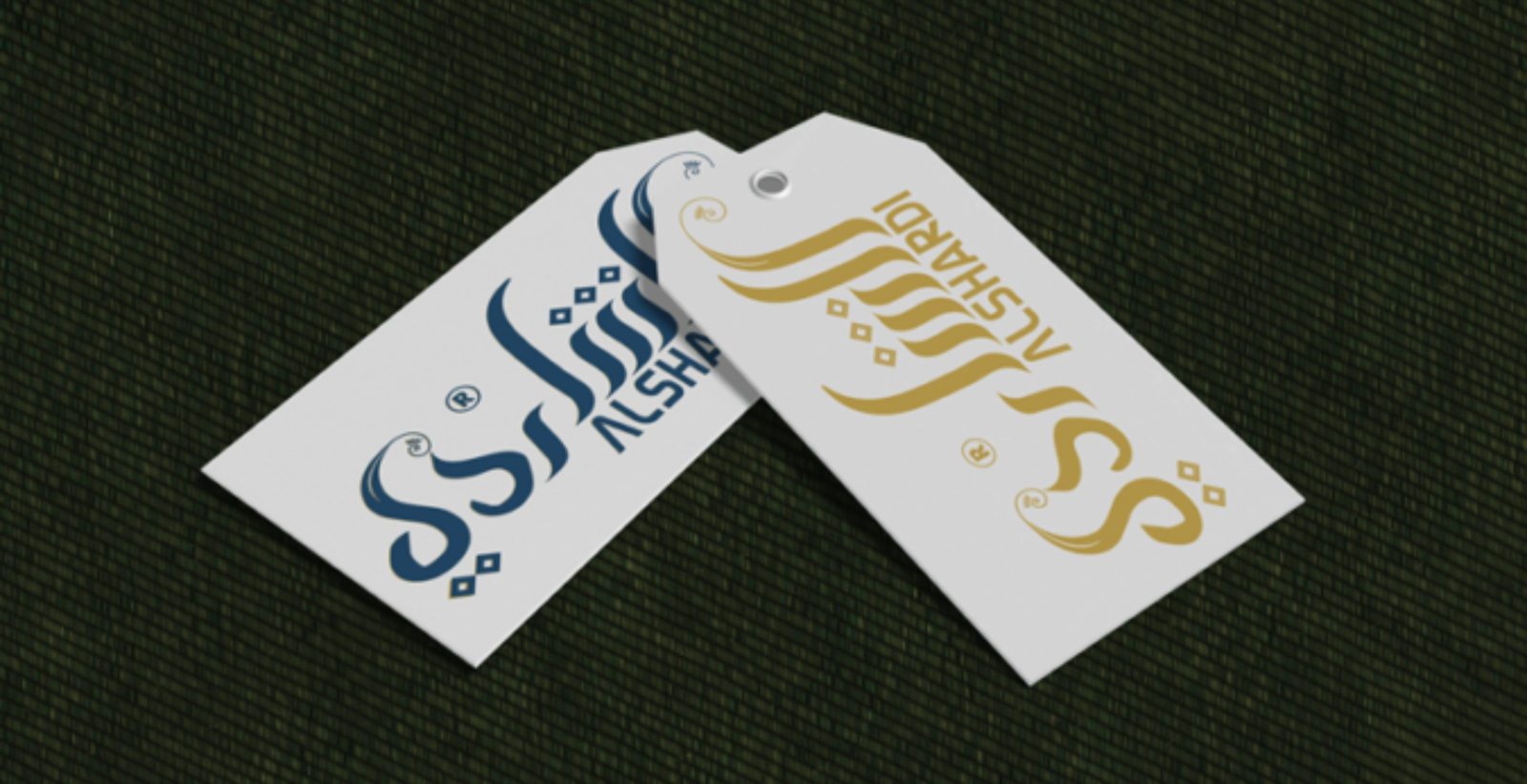
For the brand side, our Alshardi case study shows identity, campaign visuals, brand applications and reels for an Egyptian fashion brand, including promotional posts designed to stay on-brand, and RX’s performance marketing team runs Meta campaigns with the ad account kept in the client’s name. See also the guide to fashion labels, tags and packaging.
Before the next season starts, put every drop, early-access window and dated sale on one calendar, with the licence or permit date next to each sale. If that calendar has more sale days than full-price launches, fix the calendar before you touch the ads.
Frequently asked questions
Do I need a licence to advertise a sale on Instagram in Saudi Arabia?
According to the Ministry of Commerce, a business or online retailer must obtain a discount licence before announcing price reductions, show the original and discounted prices, and keep to the licensed discount and dates. The Ministry names sales.mc.gov.sa as the application portal. Check the current rules before each campaign.
What events does the Meta Pixel need for catalogue retargeting?
Meta's Pixel guide for Advantage+ catalog ads lists ViewContent, AddToCart and Purchase, each with content_ids or contents whose IDs match the product IDs in your catalogue. Confirm in Commerce Manager that the catalogue recognises the events.
How do I stop a sale price staying in my Meta ads after the sale ends?
Use the sale_price_effective_date field in the catalogue feed to set a start and end date. Meta's catalogue reference says that without it, items with a sale_price stay on sale until you remove the sale price.
How often should a fashion store change its ad creative?
There is no fixed rule. In our experience, when frequency rises and click-through falls on the same audience, it is time to release new edits, ideally cut from footage you already shot.
- Meta for Developers, Advantage+ Catalog Ads.
- Meta for Developers, Meta Pixel for Advantage+ Catalog Ads.
- Meta for Developers, Conversions API.
- Meta for Developers, Catalog fields reference.
- Meta for Developers, Localized Catalogs.
- Social Media Today, Meta updates Advantage+ catalog ad targeting (2025-01-29).
- Ministry of Commerce, Saudi Arabia, Regulations for discounts and offers (2022-09-26).
- Ministry of Commerce, Saudi Arabia, Seasonal discount licences for the 95th Saudi National Day (2025-09-02).
- Amlak, Trade: 9 regulations to regulate commercial discounts in establishments (2024-02-29).
- Government of Dubai Media Office, Dubai Economy: promotion permits (2020 notice) (2020-07-13).
- Andersen Egypt, Law No. 181 of 2018 (Consumer Protection Law), English translation (2025-07).