- Put classification fields, grade, number and expiry on one panel at the front, worded exactly as on the certificate.
- Order sections like the owner's score sheet: likely gates (financial, quality, HSE) first, scored evidence next, annexes last.
- Every claim needs a checkable detail: numbers, dates, values, issuing bodies and an annexed document.
- Design for navigation: numbered sections, summary panels, consistent tables and cross-referenced annexes.
Most contractor company profiles are written to impress a client at a first meeting: a skyline on the cover, a founder’s message, a vision statement, then a gallery of project photos. That document has its place. It is the wrong document to put in front of a pre-qualification evaluator, who is not reading for impressions but filling in a score sheet, section by section, against criteria that were fixed before your file arrived.
This guide is about the profile you submit when a project owner, a main contractor or a government entity is deciding whether you may bid at all. It covers content, order, evidence and layout for contracting, MEP and building companies in Saudi Arabia, with notes for the UAE, Egypt and Qatar. Registration and portals are covered in our guide to the vendor registration document pack; RX has handled supplier and tender registration for clients on Saudi platforms such as Etimad, with the account kept in the client’s name.
How evaluators actually read your profile
Saudi Arabia’s Government Tenders and Procurement Law defines pre-qualification as the steps an agency takes to confirm a bidder is qualified before proposals are submitted, and Article 19 limits the invitation to tender to those who pass. Article 20 requires the criteria to be “objective and measurable” and to cover technical, financial and administrative capability, in proportion to the project’s nature, size and value. A new Government Tenders and Procurement Law (Royal Decree M/76, published in Umm Al-Qura on 4 September 2026; law firms report it takes effect around 2 January 2027) will replace this text, so re-check the article numbers in the version that applies to your tender. Once you pass, the same evidence feeds the technical proposal.
One detailed public example of how this works in practice is the Prequalification of Tenderers Procedure in the National Manual for Projects Management published by the Government Expenditure and Projects Efficiency Authority (EXPRO). It is one authority’s procedure, not a national rule: its templates are indicative, and entities governed by the procurement law use Ministry of Finance templates and the Etimad platform. Still, three points from it are a useful model:
- Criteria and weights are agreed before the questionnaire is issued, and they are the only basis for evaluation. Anything that does not answer a criterion earns nothing.
- Some sections can be gates, not scores. In the procedure’s template, financial, certifications and quality, and health, safety and environment are pass/fail. A fail in any mandated category excludes the company, however strong its project list.
- Scored sections are rated on a points scale. In EXPRO’s template the scale runs from 0 (“no response or unacceptable response”) to 5 (“significantly exceeds requirements”), scores are weighted, the example pass mark is 60 and the shortlist is capped at six. Other owners’ thresholds differ; read the questionnaire you receive.
Private owners and main contractors run their own questionnaires with the same logic: an evaluator, a form, several submissions and limited time. Your profile wins when each answer is easy to find, verify and see as complete.
Classification comes first, because it decides eligibility
For public work in Saudi Arabia, classification is the first thing an evaluator needs to see. Article 3 of the Contractor Classification Law (in the official English translation, which is provided for guidance; the Arabic text governs) says public entities may not accept a bid for a project subject to classification unless the contractor is classified in that project’s field, activity and grade. Article 6 bases classification on financial statements, organisation and staff, and completed projects; for joint execution, Article 9 requires each partner to be classified in the field and at least one to hold the required grade. Check the current text before relying on any detail. The service now runs through Balady and Muqawil; the Muqawil classification page says technical capability is assessed on the workforce, and engineers must be registered with the Saudi Council of Engineers.
In the profile, that translates into a single, unmissable panel near the front: classification fields and activities, grade, certificate number and expiry date, matched exactly to the wording on the certificate. Do not paraphrase “electromechanical works” as “MEP solutions” in this panel. The evaluator is matching words against the tender’s requirement.
Hypothetical example: an eligibility panel and a project sheet
The company is invented and every number is a placeholder. The point is the layout: one page an evaluator can check line by line against the annexed certificates.
| Eligibility panel field | How it appears in the profile | Annex |
|---|---|---|
| Classification field and activity | Copied word for word from the certificate, in Arabic and English if the tender allows | A-01 |
| Grade | The grade as stated on the certificate, not “top grade” or “first class” in your own words | A-01 |
| Classification certificate number and expiry | No. 000000, valid until DD/MM/YYYY | A-01 |
| Commercial registration | CR No. 0000000000, legal name exactly as registered, city | A-02 |
| Civil Defence licence (fire-protection scope) | Licence number, activity covered and expiry | A-03 |
| Management-system certificates | ISO 9001, ISO 14001 and so on: certifying body, scope, certificate number and expiry for each | A-04 to A-06 |
| Saudi Council of Engineers registrations | Number of registered engineers, with the named key staff listed in Section 6 | A-07 |
| Profile date and version | Version 3, issued DD/MM/YYYY | None |
Each project sheet then uses the same fields in the same order, so an evaluator who has read one can scan the rest. For a hypothetical MEP contractor:
| Field | Project sheet entry |
|---|---|
| Project and client | Office building, Riyadh; client: a named private developer |
| Our role | MEP subcontractor to a named main contractor (state it plainly; do not imply you were the main contractor) |
| Contract value | SAR 0,000,000, the figure in the contract or completion certificate |
| Dates and status | Start MM/YYYY, handover MM/YYYY, completed |
| Systems delivered | Fire-fighting, fire alarm, HVAC ductwork, low-current systems: the scope list from the contract |
| Reference document | Completion certificate, Annex C-04; reference contact named in the letter |
If any row in either table cannot be filled from a document you hold, fix that gap before you design anything.
The section order that matches the score sheet
The order below is adapted from the EXPRO questionnaire. When a specific questionnaire is issued, follow its numbering instead; otherwise, this order puts the gates first and the scored evidence next.
- Company snapshot (one page). Legal name exactly as registered, commercial registration number, year established, ownership, headquarters and branches, headcount, core activities and the person authorised to sign.
- Classification and licences. The panel described above, plus municipal, civil defence or specialist licences relevant to your scope, each with number and expiry.
- Financial standing. Summary figures for the last three audited years, banks and bonding capacity. The EXPRO questionnaire, for example, asks for net worth, annual sales, a bank reference, the ability to provide a performance bond and three years of audited statements. Put summary tables in the profile and the full statements in the annex.
- Quality and certifications. Management-system certificates such as ISO 9001 and ISO 14001, product or trade accreditations and professional licences, each with issuing body, scope, number and expiry.
- Health, safety and environment. Your HSE policy, organisation, training and incident statistics. The EXPRO form, for example, asks for fatalities, lost workday cases, restricted workday cases, first aid cases, near misses and hours worked for the current year and the previous three, plus a sample HSE plan.
- Organisation and key people. A company organisation chart, a typical project organisation chart and short CVs for the roles evaluators look for: project, construction, engineering, quality and HSE managers.
- Resources and capacity. Headcount by category, Saudisation data, workers’ accommodation and transport where relevant, and the equipment register: type, make and model, quantity, year and whether owned or leased.
- Project experience. A reference table of current and recently completed contracts, then three to six detailed project sheets in the format shown above, chosen to match the scope and size of the work you are pre-qualifying for.
- Supply chain and subcontracting. How you select and manage subcontractors and suppliers, which scopes you subcontract and, for MEP firms, which manufacturers you are approved to install or represent.
- Local content. Some government tenders apply the local content preference regulations, which can set local content commitments and minimums. Where the tender includes them, give your figures their own labelled page and check the current terms. How to present an ICV certificate and local content score is covered separately.
- Annexes. Copies of certificates, licences, statements, reference letters and completion certificates, indexed to the section that cites them.
Evidence that survives a second look
An evaluator who doubts one figure starts doubting the rest. The weakness that costs most profiles is rarely a missing section; it is a claim that cannot be checked. Use the table below as a test.
| Claim in the profile | What makes it credible | What weakens it |
|---|---|---|
| Project experience | Client name, scope, your role (main contractor or subcontractor), contract value, start and finish dates, status, and a reference letter or completion certificate in the annex | Photos with a project name only; values shown as “large”; consultant or main contractor’s work presented as your own |
| Certifications | Certificate number, issuing body, scope and expiry, with copies attached | Logos of standards with no certificate behind them, or certificates that expired before the submission date |
| HSE performance | Statistics for each year in a table, with hours worked so rates can be calculated | “Zero accidents” with no period, no hours and no method |
| Team | Named key people with years of experience, qualifications and professional registration | Generic role titles, stock portraits or CVs of staff who have left |
| Equipment and capacity | A register showing owned versus leased, quantity and year | Photos of plant with no register, or a list that mixes owned and hired equipment |
| Financial strength | Figures that match the audited statements in the annex | Rounded turnover figures that differ from the statements |
Two habits prevent most problems. Keep one master data sheet (classification, certificate expiries, headcount, turnover, project list) and generate every profile and questionnaire answer from it, so no number appears in two versions. And date the profile on the cover and footer, with a review whenever a certificate is renewed or a major project completes.
Design for scanning, not storytelling
Design still matters, but its job changes from persuasion to navigation. A working test (not a published standard) for every page: could an evaluator find the answer to their next criterion within a minute or so?
- Number sections to match the questionnaire and repeat the number and title in the running header of every page.
- Put the answer at the top of each section in a short summary panel (grade, certificate count, safety statistics, number of comparable projects), with detail underneath.
- Use tables for anything an evaluator will compare: projects, certificates, equipment, statistics. Keep column order consistent across sections.
- Keep the bilingual logic consistent. Follow the language rules in the tender documents, and show registered names and classification wording exactly as they appear on the official documents, in both languages where the tender allows. The choice between Arabic and English profile formats (one bilingual file or two editions) is a separate decision.
- Cross-reference annexes (“Annex C-04“) next to each claim, and use the same codes in the PDF bookmarks and file names.
- Build it to be edited. The profile should be a layout your team can update without redesigning it: master pages, a set of table styles and placeholders for project sheets. When a certificate is renewed, one page changes.
- Keep the brand quiet but consistent. The same logo, colours and typography as your proposals and letterhead signal an organised company. Heavy decoration slows the reader.
RX prepares the content and layout of tender and pre-qualification files and designs company profiles and visual systems that work in a sales meeting and as a technical document; the submission on the owner’s portal stays with the company. For the brand and sales communication work behind a contracting and electromechanical company, see the Azeidk case study.
Adapting the profile for the UAE, Egypt and Qatar
The structure above travels well, because evaluators across the region ask the same core questions. What changes is the eligibility panel at the front.
- UAE (Dubai). Dubai Municipality publishes Law No. 7 of 2025 Regulating Contracting Activities (Arabic only). According to a Mayer Brown summary, the law sets up a unified contractor registration and classification system across the emirate, including free zones, limits contractors to their registered activities and classification, and takes effect in January 2026 with one year to comply. Implementing rules may follow, so check current guidance from the competent authority. In the profile, show your Dubai registration and classification status, or your transition plan, as clearly as a Saudi firm shows its grade. Where an ADNOC or federal tender asks for In-Country Value, put your ICV certificate, score and expiry in the eligibility panel too.
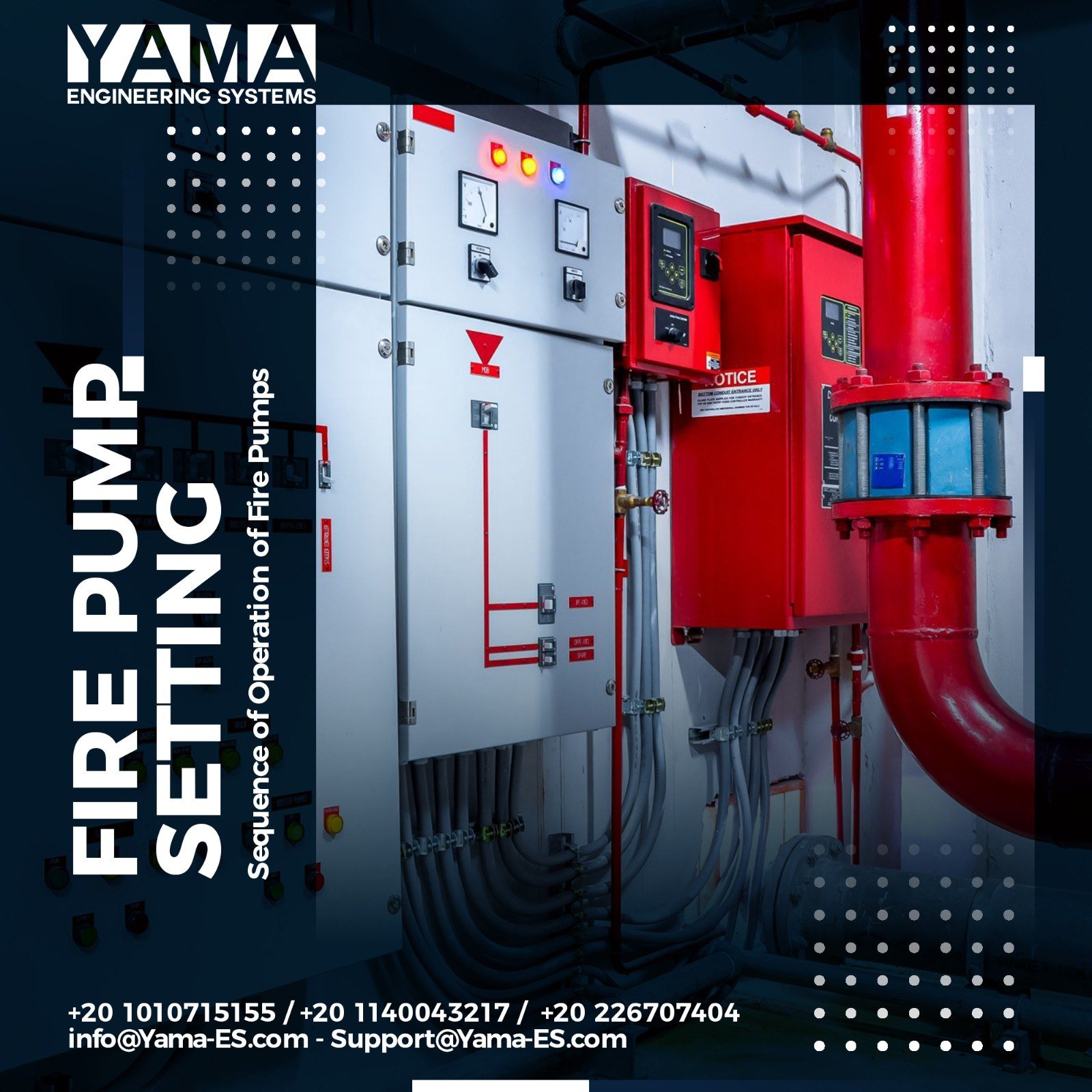
- Egypt. Contractors are generally expected to be members of the Egyptian Federation for Construction and Building Contractors, set up under Law No. 104 of 1992, which classifies members by division, specialty and class. A 2021 overview by Youssry Saleh & Partners describes classes running from first (highest) down to seventh in some specialties; rules and categories may have changed since, so confirm the current position with the Federation. Your federation division, specialty and class belong in the first panel. For YAMA Engineering Systems, a Cairo fire-fighting company selling to consultants, contractors and facility managers, RX wrote and designed the company profile covering its product lines, services, projects, clients and partners; a pre-qualification version would start from that content and reorder it around the questionnaire.
- Qatar. Requirements vary by project owner and authority. Treat the owner’s questionnaire as the template, and confirm the licences and registrations it asks for with the owner or your legal adviser before you lay out the eligibility panel.
In every market, keep one master profile and produce a market version by swapping the eligibility panel, the licences section and the selected project sheets, not by rewriting the whole document.
Final check before you submit
- Every classification, licence and certificate is valid on the submission date, and its number matches the annexed copy.
- Section order and numbering follow the owner’s questionnaire where one exists.
- Each pass/fail section (financial, quality, HSE) is complete, with nothing marked “available on request”.
- Turnover, headcount and project values are identical across the profile, the questionnaire and the annexes.
- Every project in the reference table states your role, value, dates and a contact or reference document.
- Key personnel CVs belong to people currently employed, with professional registrations noted.
- The cover and footer show the profile date and version.
- Someone outside the bid team has tried to find five random answers in the document and timed it.
If answers take several minutes to find, the profile needs restructuring before it needs redesigning. Bring the profile and the questionnaire you are preparing for to a business diagnosis session; we will mark which sections fail as gates, which lose points, and what to rebuild before the deadline.
Frequently asked questions
What is the difference between a company profile and a pre-qualification document?
A marketing profile introduces the company and persuades; a pre-qualification submission answers an evaluator's questionnaire. The profile used for pre-qualification should follow the questionnaire's order and carry checkable evidence, with the full questionnaire answers and annexes alongside it.
Do contractors need to be classified to bid on Saudi government projects?
For projects subject to classification, yes. Article 3 of the Contractor Classification Law prohibits public entities from accepting bids from contractors not classified in the project's field, activity and grade. The English text is a translation for guidance; the Arabic text governs, so check the current version.
How many projects should a contractor company profile include?
There is no fixed number. A practical approach is a complete reference table of current and recent contracts, then around three to six detailed project sheets that match the scope and size of the work you are pre-qualifying for, each showing your role, value, dates and a reference.
Which sections are pass/fail in pre-qualification?
It depends on the owner and is set out in its questionnaire. As one example, EXPRO's Prequalification of Tenderers Procedure template treats financial, certifications and quality, and health, safety and environment as pass/fail, and a fail in any mandated category excludes the company.
Should a pre-qualification profile be in Arabic or English?
Follow the language requirement in the tender or questionnaire. Whatever the language, registered names and classification wording should match the official documents exactly, in both languages where the tender allows.
- Government Expenditure and Projects Efficiency Authority (EXPRO), Prequalification of Tenderers Procedure (EPM-KD0-PR-000003, Rev 003) (2021-11-08).
- Ministry of Finance, Saudi Arabia, Government Tenders and Procurement Law.
- Ministry of Municipalities and Housing, Saudi Arabia, Contractor Classification Law (English translation for guidance; Arabic text governs).
- Saudi Contractors Authority (Muqawil), Contractor Classification.
- Ministry of Finance, Saudi Arabia, Regulations on Preference for Local Content and Local SMEs and Companies Listed on the Capital Market in Business and Procurement Transactions.
- Dubai Municipality, Law No. (7) of 2025 Regulating Contracting Activities in the Emirate of Dubai (Arabic) (2025-08-27).
- Mayer Brown, Dubai Overhauls Construction Sector with New Law to Regulate Contracting Activities: What Contractors Need to Know, Part 1 (2025-08-26).
- Youssry Saleh & Partners via Mondaq, Registration In The Egyptian Federation For Construction And Building Contractors (2021-01-04).
- Umm Al-Qura, Royal Decree M/76 approving the Government Tenders and Procurement Law (2026-09-04).
- Baker McKenzie, Saudi Arabia: Key changes under the new Government Procurement Law (2026-10-21).