- Read the RHQ rule for government buyers, the 60% Saudisation of marketing and sales roles and PDPL consent rules as inputs to the sales plan, not just the legal file, and check the current text of each.
- Position on the reason a buyer would switch from the supplier they already trust, and prove you are here to stay.
- Start in one region where your buyers and consultants sit, and test regional differences instead of assuming them.
- Fund foundations first: profile, website, Arabic assets and the vendor file before paid visibility.
The licence is usually the best-planned part of a Saudi market entry. Lawyers, setup firms and the Ministry of Investment (MISA) take you from investment licence to commercial registration. Then the company has a registration number, an office address and a sales target, and often no plan for how a Saudi buyer will hear of it, trust it and approve it as a supplier.
This guide covers that commercial plan for B2B companies: what to position against, who has to say yes, where to focus first, which assets must exist in Arabic, and how to sequence the first year. It does not cover entity choice or licensing, and none of it is legal advice. Where a rule is mentioned, check the current version with the issuing authority before acting on it.
Three rules that belong in the marketing plan, not only the legal file
Some regulations look like compliance matters but decide who you can sell to and who can do the selling. Read them before you write targets.
- Regional headquarters and government buyers. Under regulations approved in December 2022, Saudi government agencies have since 1 January 2024 been barred from contracting with foreign companies that have no regional headquarters in the Kingdom, with stated exceptions (for example, where only one technically acceptable offer is received) and with works or procurements estimated below SAR 1 million excluded, according to Clyde & Co’s analysis of the rules (last updated November 2023; the threshold and exceptions can change). Confirm the current rules with MISA and your legal advisers. If your target list is mostly government entities, the RHQ question shapes the whole sales plan. If it is mostly private companies, the rule matters less, but some of your private buyers will be government contractors with their own rules.
- Saudisation of marketing and sales roles. The Ministry of Human Resources and Social Development says a 60% Saudisation rate applies to listed marketing and sales professions in private-sector establishments that employ three or more workers in those roles, effective 19 April 2026. The lists cover marketing, advertising, graphic design, public relations and photography roles as well as sales managers, representatives and specialists, and a Saudi employee in a marketing role counts towards the rate only at a monthly salary of at least SAR 5,500 (HRSD, May 2026; also reported by Gulf News, January 2026). Plan your commercial team structure, and whether some work sits with outside partners, with this rule in view, and check the ministry’s current text and calculation guides before you hire.
- Consent for direct marketing. Under the PDPL Implementing Regulations, advertising and direct-marketing messages need the recipient’s consent and an easy way to opt out (Clyde & Co, September 2023), and SDAIA is consulting until 5 November 2026 on amendments to that framework (Al Tamimi & Company, October 2026). Baker McKenzie (December 2024) adds that the sender must be clearly identified; we have not seen an official carve-out for B2B contacts, so check the current text with your data protection adviser. For the launch, that means building the contact base from people who agreed to hear from you: a bought list of mobile numbers is not a launch channel.
Position against the supplier the buyer already uses
A new entrant rarely competes with nobody. The procurement manager has a supplier who answers the phone, holds stock and has been approved before. Your positioning has to answer one question: why take the risk of switching?
The US government’s commercial guide to the Kingdom gives useful clues about what reduces that risk. It notes that serious commitments are unlikely without face-to-face meetings, that a foreign firm’s physical presence is read as a sign of long-term commitment, that Saudi buyers frequently compare prices before deciding, and that brand loyalty is less developed than in some other countries, so service and customer support are “indispensable” to win and keep clients. It also says government agencies usually require equipment suppliers to commit to maintenance and spare parts for an average of three years (trade.gov, Selling Factors and Techniques, May 2026).
Turn that into positioning by writing three short statements before any design work:
- The switch reason. One specific advantage over the incumbent that a buyer can repeat to their manager: a certification the incumbent lacks, a shorter lead time from local stock, a service response commitment, a technical capability.
- The commitment proof. What shows you are here to stay: the Saudi entity, the local office or warehouse, named local staff, the service team, the spare-parts promise.
- The reference you can use. A project, approval or client name you have permission to show. If you have none in Saudi Arabia yet, say what you have done in comparable markets and be precise about where.
If the switch reason is “we are cheaper”, plan for a price-led market where the incumbent can match you. In our view, a position built on service, availability or a technical approval is harder to copy.
Map everyone who has to say yes
In most Saudi B2B sales the person who likes your product is not the person who approves you. Before choosing channels, list the people in the decision and what each one needs to see. A typical map for a supplier of equipment or technical services looks like this:
| Who | What they decide | What they need from you |
|---|---|---|
| End user or site engineer | Whether the product or service fits the job | Data sheets, method statements, a demonstration or site visit |
| Consultant or designer | Whether you are specified or accepted as an equal | Technical submittals, approvals, compliance documents, a technical presentation |
| Procurement | Whether you can be invited to quote at all | A complete vendor registration file and a consistent company profile |
| Finance and management | Whether the risk and the price are acceptable | Clear commercial terms, local presence, references |
Two consequences follow. First, your launch content should include material for consultants, not only for end users: in our view, a technical presentation for consultant offices often does more than a month of social posts. Second, the vendor file is a marketing asset. Large Saudi buyers run their own supplier registration, and Etimad, the Ministry of Finance’s digital services platform for government procurement, is where government entities publish tenders and procurement opportunities; some government buyers also ask for an Etimad registration as part of their vendor file. Our guide on vendor registration documents lists what large buyers request. If interested leads keep stalling after the first call, the gates are covered in our diagnosis of leads that stall at vendor vetting.
Choose a first region instead of launching “in Saudi Arabia”
The Kingdom is large, and demand is concentrated: according to the 2022 census, the Riyadh, Makkah and Eastern Province regions held 68% of the population (Argaam, May 2023; city figures are on the census portal).
Population is only a starting point for a B2B company. What matters is where your buyers, their projects and their consultants are. We have not found an authoritative published source that describes buying behaviour by city, and generalisations about “how Jeddah buys” versus “how Riyadh buys” are easy to repeat and hard to prove. Treat regional differences as something to test:
- List your 50 to 100 most likely buyer organisations and mark where their decision-makers sit, not only where their sites are.
- Note where the relevant consultant offices are based. A project in one city is often designed in another.
- Check where your sector’s exhibitions and industry gatherings take place, and confirm each show’s current dates and venue on its organiser’s site. Big 5 Construct Saudi, for example, lists its 2027 editions at Riyadh Front Exhibition & Conference Center (Big 5 Construct Saudi). The trade.gov guide notes that most trade promotion events take place from September through June.
- Run early meetings and campaigns in one region, record what you hear about lead times, payment and approvals, and adjust before you expand.
Build the Arabic-first asset set before the first campaign
The trade.gov guide notes that many upper and middle-class Saudis are comfortable in English. But your audience is wider than the senior engineer: procurement officers, site teams, administrators and the people who search Google in Arabic. Build the core assets in Arabic first and write the English as an equal version, not a translation afterthought.
| Asset | Arabic | English | Main user |
|---|---|---|---|
| Company profile | Full version | Full version | Procurement, management |
| Website service and product pages | Written for Arabic search terms | Written for English search terms | Everyone who checks you before replying |
| Technical presentation | Summary slides | Full technical detail | Consultants, engineers |
| Data sheets and submittals | Cover and key points where useful | Full | Consultants |
| WhatsApp and email replies, quotation cover letter | Yes | Yes | Sales team |
| Business cards | One side | Other side | Everyone you meet |
Two details are often missed. The Arabic and English versions of the company name, address and registration details must match your official documents exactly, because procurement will compare them. And the website needs Arabic pages written for the terms Saudi buyers actually search, not a machine translation of the English site. Research the Arabic terms before writing the pages. If the brand itself, not only the assets, needs adapting for Saudi buyers, our guide to taking an Egyptian brand to Saudi Arabia covers the name, proof and Arabic voice checks.
Sequence the first year in four quarters
In our view, a first-year plan is easier to run when each quarter has one job. The order below assumes a B2B company with a licence, a small local team and no Saudi brand awareness yet. Adjust the timing to your sales cycle.
Quarter 1: be checkable
Finish positioning, the Arabic and English company profile, the website core pages, LinkedIn company page and key staff profiles, Google Business Profile for the office, and the vendor registration pack. Start registering with your priority buyers. No paid campaigns yet: anyone your sales team contacts will look you up, and there must be something credible to find.
Quarter 2: be introduced
Announce the entry: the Saudi entity, any brands you represent, the local team. Run consultant presentations and in-person meetings in your first region. Start a modest search campaign on the terms your buyers use to find suppliers, and test it before it grows. Equip sales with the proposal template, reply scripts and a quotation cover letter.
Quarter 3: be seen in the industry
Exhibit, sponsor or host a technical seminar if your sector’s calendar allows, and plan the invitation and follow-up as one campaign. For example, on 15 July 2025, Azeidk brought engineers, consultants, contractors and partners together at Hyatt Regency Riyadh under one theme, Integrated Solutions in Fire Protection & MEP Systems; RX built the event identity, the bilingual invitations with a QR registration flow, the countdown campaign and the on-site materials. Publish project content as soon as clients allow it. Review which leads reached quotation and which stalled, and why.
Quarter 4: decide where to grow
Compare cost and time per qualified opportunity by channel and by region. Decide whether to expand to a second region, add channels or deepen the first market. Write next year’s plan from the data you now have, not from the assumptions you started with.
The first-year deliverables as a checklist
Professional recommendation. Use this table to run the four quarters and to compare any agency or consultant proposal against it. The owner column shows who should be accountable inside your company; the last column is the test that tells you an item is finished, not just started.
| Deliverable | Quarter | Owner | Done when |
|---|---|---|---|
| Company profile, Arabic and English | 1 | Marketing, with legal checking names and registration details | Both versions are approved and the legal name, address and registration details match your official documents word for word |
| Website core pages | 1 | Marketing | Service or product pages exist in Arabic and English, each written for the terms buyers search, with a working contact route in both languages |
| Vendor registration pack | 1 | Legal and sales | Every document your priority buyers request is current, signed where needed and ready to send in one file |
| LinkedIn company page and key staff profiles | 1 | Marketing, with each staff member | A buyer who looks up your Saudi lead contact finds the same company name, role and positioning as in the profile |
| Consultant technical presentation | 2 | Sales, with technical input | It has been delivered to at least one consultant office in your first region and their questions are fed back into the deck |
| Entry announcement | 2 | Marketing | The Saudi entity, the brands you represent and the local team are announced on your own channels and sent to your target list of buyers and consultants |
| Search campaign | 2 | Marketing | It runs only on supplier-search terms, sends clicks to the Arabic or English page that matches the search, and you can trace each enquiry it brings |
| Exhibition or technical seminar | 3 | Marketing and sales | Invitations, on-site material and the follow-up sequence are ready before the event, and every meeting is logged with a next step |
| Sales templates | 2, reviewed in 4 | Sales | Proposal template, quotation cover letter and Arabic and English reply scripts are in use by the whole team, and the review reflects the objections you actually heard |
If a quarter-one row is not done, hold the quarter-two items that depend on it. The search campaign and the entry announcement both send people to the website and profile, so they should not start before those rows pass their test.
The budget follows the same order. Set money aside for four lines: foundations (positioning, identity adaptation, profile, website, vendor pack), presence (meetings, travel, consultant sessions), visibility (exhibitions, seminars, campaigns) and enablement (sales materials, CRM set-up, training). Fund the foundations first. A common mistake is to spend on visibility in the first quarter, so new contacts arrive at a website, profile or vendor file that does not yet exist in a form Saudi buyers can use.
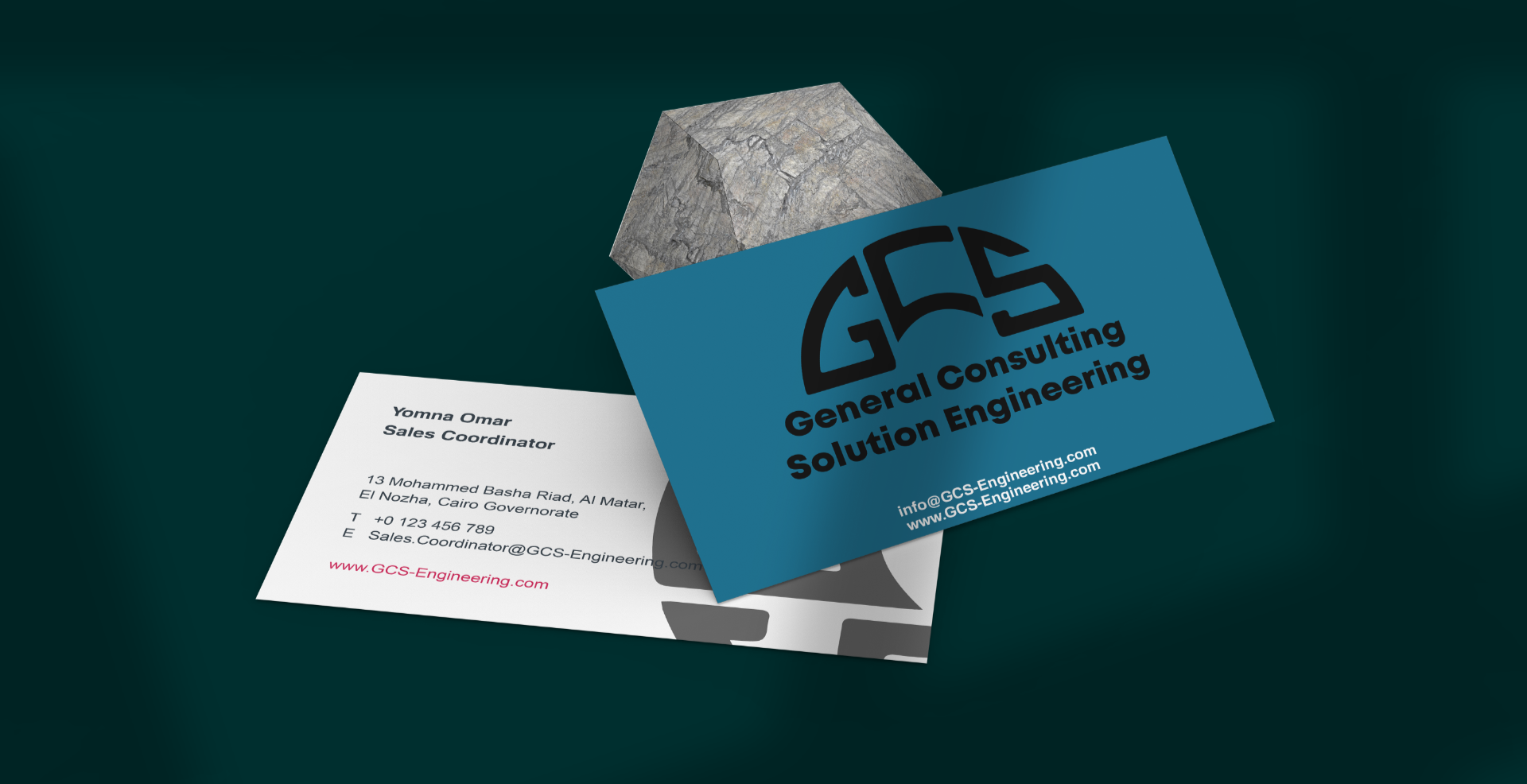
RX Designer has built entry and launch work for fire and safety suppliers in the Kingdom, including identity, launch and sales tools for GCS and brand building and launch content for Falcon Power Global. Our marketing strategy and launch planning service turns the steps above into a costed plan for your sector and first region, and the same team prepares the proposal, vendor and messaging files through our sales enablement service.
Before you commit budget, write the three positioning statements and fill in the approval map for your first ten target buyers. Bring both to a business diagnosis session and we will show you which quarter-one foundations are missing and what to fund before any campaign.
Frequently asked questions
What should a go-to-market plan for Saudi Arabia include after the licence?
Positioning against established suppliers, a map of everyone who approves a purchase (users, consultants, procurement, management), a chosen first region, Arabic and English core assets, a vendor registration pack, and a quarter-by-quarter first-year plan with a budget that funds foundations before campaigns.
Do foreign companies need a regional headquarters to sell in Saudi Arabia?
Not for the reason most people assume. According to Clyde & Co's analysis (last updated November 2023), since 1 January 2024 Saudi government agencies have been restricted, with exceptions and a SAR 1 million value threshold, from contracting with foreign companies that have no regional headquarters in the Kingdom. The rule concerns government contracting, so if you plan to bid for government work, take legal advice and check MISA's current rules.
Does Saudisation affect a new company's marketing and sales team?
Yes. HRSD says a 60% Saudisation rate applies to listed marketing and sales professions in private establishments with three or more workers in those roles, effective 19 April 2026, and a Saudi employee in a marketing role counts only at a monthly salary of at least SAR 5,500. Check HRSD's current text and calculation guides before hiring.
Should we launch in Riyadh, Jeddah or Dammam first?
Start where your buyer organisations, their decision-makers and their consultants are concentrated, and where your sector's exhibitions take place. Run the first meetings and campaigns there, record what you learn, and expand once the approach works.
Can we buy a list of Saudi phone numbers for a launch campaign?
It is risky. Under the Saudi PDPL Implementing Regulations, consent is required to process personal data for advertising and direct marketing, and people must be able to opt out easily. Do not assume B2B contacts are exempt. SDAIA is consulting on amendments to these rules (until 5 November 2026), so check the current text with your data protection adviser and build consented lists through your website, events and meetings instead.
- Clyde & Co, Saudi Arabia Regional Headquarters Programme (2023-11-23).
- Ministry of Human Resources and Social Development, Saudization of marketing and sales professions (2026-05-03).
- Gulf News, Saudi Arabia reserves 60% of marketing and sales jobs for nationals (2026-01-20).
- Baker McKenzie, Saudi Arabia: Cookies, Online Tracking and Direct Marketing (2024-12-31).
- Clyde & Co, Saudi Arabia issues Implementing Regulations to the Personal Data Protection Law (2023-09-08).
- Al Tamimi & Company, SDAIA opens public consultation on proposed amendments to the PDPL Implementing Regulation (2026-10-09).
- Ministry of Investment (MISA), Frequently Asked Questions.
- International Trade Administration (trade.gov), Saudi Arabia – Selling Factors and Techniques (2026-05-19).
- Ministry of Finance, Ministry of Finance launches Etimad, the digital services platform (2018-01-20).
- Argaam, Census 2022 results (2023-05-31).
- Big 5 Construct Saudi, Big 5 Construct Saudi.
- General Authority for Statistics (GASTAT), Saudi Census 2022 portal.