- A visual identity is a system: logo versions, colour, typography, graphic elements, imagery rules, templates and guidelines.
- In Saudi Arabia the Arabic and English versions must be designed as equals, with layouts for both reading directions.
- Check the name against your registered trade name and run a trademark search with SAIP in mind before final approval.
- Templates for the documents your team sends every week decide whether the identity is actually used.
A visual identity is the set of visual elements a company uses to be recognised and trusted: the logo and its versions, the colour palette, the typefaces, the graphic elements, the photography and illustration style, and the rules that hold them together. It is the part of a brand people see before they read a word, on a quotation, a vehicle, a website, a WhatsApp profile picture or an exhibition stand.
For a company in Saudi Arabia the question is rarely “do we have a logo?”. Most do. The real question is whether the logo comes with a system that works in Arabic and English, on screens and in production, and that the sales team, the social media team and outside suppliers can apply without guessing. This guide explains what a visual identity contains, what is specific to the Saudi market, and how to judge whether yours is complete. If you are planning a new identity or a refresh, our Brand Identity & Positioning service covers the work described here.
Visual identity, brand identity and logo: not the same thing
The three terms are often used as if they mean the same thing, which is why many identity projects end with a logo file and little else. The difference matters when you write a brief or compare proposals.
| Term | What it covers | Typical output |
|---|---|---|
| Logo | The mark and wordmark that sign the company’s name | Logo files in several versions and formats |
| Visual identity | The full visual language: logo system, colour, typography, graphic elements, imagery and layout rules | A design system, templates and visual guidelines |
| Brand identity | Visual identity plus positioning, messaging and tone of voice: what the company stands for and how it speaks | Positioning, messaging framework, verbal and visual guidelines |
In short: the logo is one component of the visual identity, and the visual identity is the visible half of the brand identity. A company can have a strong logo and a weak identity if every department uses different colours, fonts and layouts around it.
The components of a complete visual identity
A complete identity is a set of decisions that someone else can apply correctly without the designer in the room. These are the components to expect.
1. The logo system
Not one logo, but a family: the primary lock-up, a horizontal and a stacked version, a symbol or icon for small spaces such as social avatars and favicons, and versions for dark and light backgrounds. For a bilingual company it also includes the Arabic and English arrangements, with rules on which leads where. Minimum sizes and clear space are part of the system, not optional extras.
2. Colour
A primary palette, secondary colours and neutrals, each defined for screens (HEX and RGB) and for production (CMYK and, where needed, a spot-colour reference). The identity should also specify which combinations are allowed for text. As a practical benchmark, the W3C’s accessibility guidance sets a minimum contrast ratio of 4.5:1 for normal body text and 3:1 for large text; a palette that fails this will produce hard-to-read websites and presentations.
3. Typography
An Arabic typeface and a Latin typeface that work together in weight and proportion, with a hierarchy for headings, body text and captions. Licensing matters here: a font licensed for desktop use is not automatically licensed for a website or an app, so confirm the licence covers every channel you will use.
4. Graphic elements
Patterns, shapes, lines or a grid derived from the logo or the company’s story. These are what make a post or a brochure recognisable even when the logo is small or absent.
5. Imagery style
Rules for photography (real projects, people, products, lighting, cropping) and for illustration or icons. Many Saudi B2B companies rely on stock images that could belong to any competitor; an imagery rule pushes the team toward its own sites, teams and products.
6. Templates and applications
Business cards, letterhead, email signature, presentation and proposal templates, social media layouts, company profile layout, signage and vehicle guidance. These are where the identity either gets used or gets ignored.
7. Guidelines and handover
A guidelines document that records every rule above, and the source files in formats your team and suppliers can open. Our guide on what brand guidelines must contain, including the Arabic rules goes through that document section by section,, including who owns the source files.
What is specific to visual identity in Saudi Arabia
The principles above apply anywhere. These points are where Saudi companies most often need extra care.
- Arabic and English as equals. Arabic reads right to left and English left to right, so layouts, logo lock-ups and icon directions need two versions, not one flipped file. The Arabic name should be designed, not typed in a default font next to a crafted English wordmark.
- The name in the logo should match the registered name. Saudi Arabia’s new Commercial Register Law and Trade Names Law took effect in April 2025. According to Arab News and Al Tamimi & Company, the trade names law now allows trade names in English and other languages, and names must be distinct from existing ones. If your identity uses an English name or a shortened form, check how it relates to the name on your commercial registration before it goes on vehicles and signs.
- Trademark checks before final approval. Trademarks in the Kingdom are handled by the Saudi Authority for Intellectual Property (SAIP). Law firms such as Al Madani & Co. describe a process of application, examination and publication, with a window in which third parties can oppose. A clearance search before the logo is finalised is far cheaper than a redesign after an objection. This is general information, not legal advice; check the current rules with SAIP or a qualified adviser.
- The Saudi riyal sign in price-bearing templates. The Saudi Central Bank introduced an official riyal symbol in February 2025. The usage rules reported by Arabian Business include placing it to the left of the number with a space, keeping proper proportions and ensuring contrast with the background; check SAMA’s current guidelines before you finalise templates. The sign was encoded in Unicode 17.0, released in September 2025, but font support is still uneven, so price lists, quotation and catalogue templates need a tested solution in your chosen fonts.
- Seasonal and national occasions. Saudi National Day, Founding Day and Ramadan bring heavy seasonal design. An identity with clear rules for how official occasion visuals sit alongside your own colours keeps seasonal content recognisably yours.
Signs your current visual identity is not working
Use this as a quick audit. Three or more ticks usually mean the identity needs a structured refresh rather than another one-off design.
- Different departments use different versions of the logo, some stretched or recoloured.
- The Arabic version of the name looks like an afterthought next to the English one.
- Nobody can say which exact colour codes the company uses, so the sign, the website and the uniform are three different shades.
- Presentations and proposals are rebuilt from scratch each time because there is no template.
- Social media posts look like a different company from the website.
- Suppliers ask for “the logo file” and receive a low-resolution image from a WhatsApp chat.
- The identity looks smaller than the company: established firms with a startup-looking brand lose credibility with procurement and consultants.
How a visual identity project usually runs
Agencies name the stages differently, but a sound project covers the same ground. Use this sequence to read proposals and spot what is missing.
- Discovery. What the company sells, who decides to buy, who it competes with, and what must be kept from the current identity.
- Positioning. The idea the identity has to express. Without it, concept reviews become a vote on personal taste.
- Concepts. A small number of distinct directions, each shown on real applications (a profile cover, a vehicle, a social post), not only on a white background.
- Refinement. One direction developed in Arabic and English, tested at small and large sizes.
- System. Colour, typography, graphic elements, imagery rules and templates.
- Guidelines and handover. The rules documented and source files handed over, with ownership clear.
Cost and time depend mostly on scope: how many applications, how many languages and sub-brands, and whether naming or positioning work is included.
Questions to ask before you approve an identity
- Have we seen the logo at favicon size and on a building, in both languages?
- Do we have colour codes for screen and for production, and do our text colour combinations pass contrast checks?
- Are the Arabic and Latin typefaces licensed for web, desktop and any app we plan?
- Has someone checked the name and mark against existing trade names and trademarks?
- Do the templates cover the documents our team actually sends every week: quotations, proposals, the company profile, social posts?
- Will we receive editable source files and the guidelines, with ownership transferred?
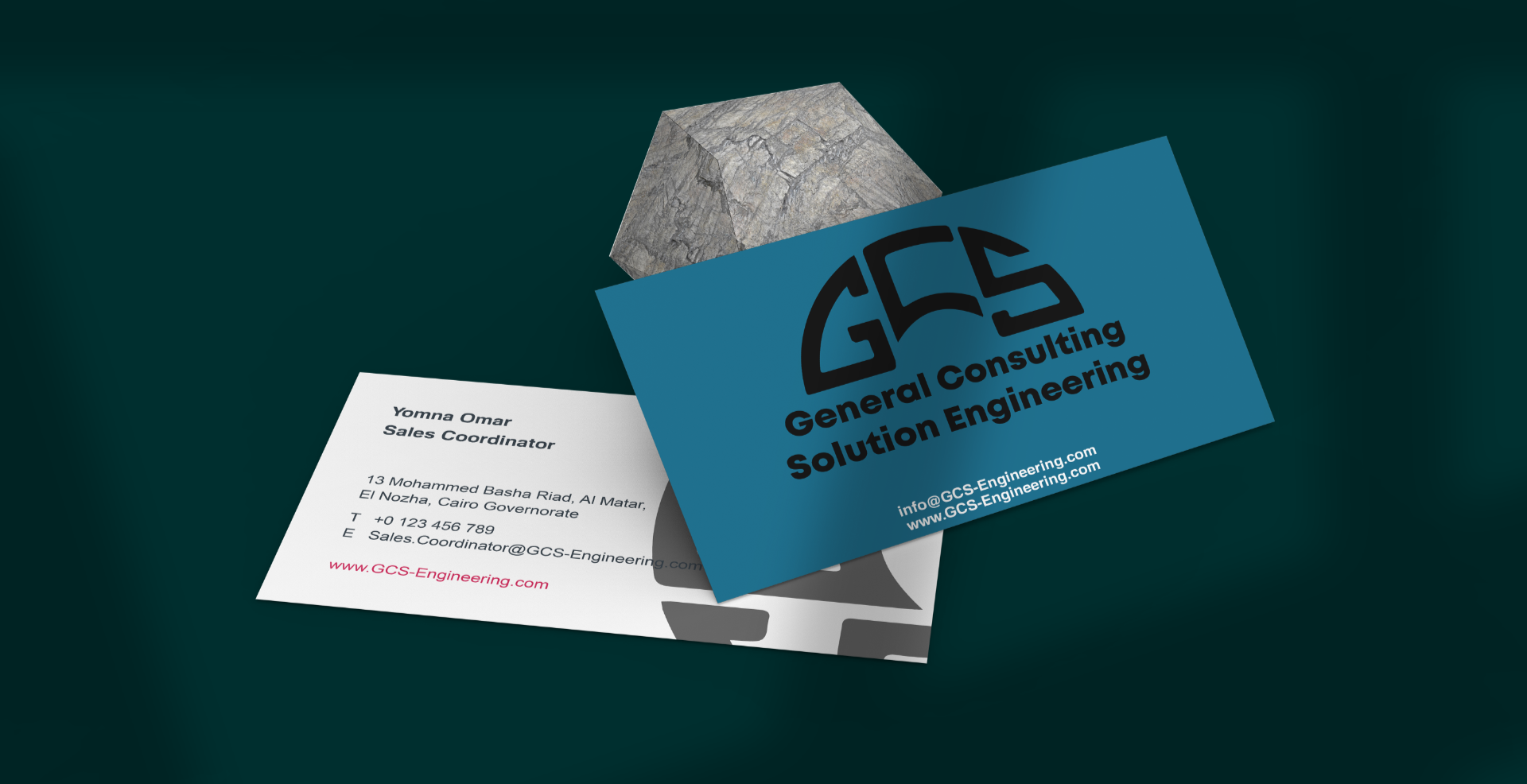
For an example of an identity built as a system rather than a logo, see how a new Saudi fire-safety brand was taken to market in the GCS case study.
What to do next
- Collect every version of your logo, colours and fonts currently in use, from the website, profile, signage and social accounts, and lay them side by side.
- Run the audit list above with your marketing and sales leads.
- Decide whether you need a refresh (same idea, better system) or a new identity (new idea), based on whether the current idea still fits the business.
- Check your registered trade name and any existing trademark before briefing a designer.
- Write a brief that asks for the full system, Arabic and English, templates and guidelines, not only a logo.
If you want a second opinion on what your identity needs, RX’s Brand Identity & Positioning team can scope it with you, or you can book a paid business diagnosis session to review your current brand and agree what to fix first.
Frequently asked questions
What is the difference between a logo and a visual identity?
The logo is the mark that signs the company's name. The visual identity is the whole visual system around it: logo versions, colours, typefaces, graphic elements, imagery style, templates and the guidelines that tell people how to use them.
What does a complete visual identity include?
At minimum: a logo system with Arabic and English versions, a colour palette with screen and production codes, a typography system, graphic elements, imagery rules, templates for common documents and social media, guidelines, and editable source files.
Does a Saudi company need its logo in Arabic and English?
Most companies selling in Saudi Arabia work in both languages, so the identity should include designed Arabic and English versions and rules for which leads where. Under the trade names law that took effect in April 2025, trade names may also be registered in English, so check how the name in your logo relates to your registered name.
Should I register my logo as a trademark?
Trademarks in Saudi Arabia are handled by the Saudi Authority for Intellectual Property (SAIP). A clearance search before the logo is finalised reduces the risk of having to redesign later. Take advice from SAIP or a qualified adviser on your specific case.
How long does a visual identity project take?
It depends on scope: the number of applications, languages and sub-brands, and whether positioning or naming is included. Compare proposals by the deliverables they list, not only by the timeline.
- W3C Web Accessibility Initiative, Understanding Success Criterion 1.4.3: Contrast (Minimum).
- Arab News, New laws simplifying Saudi business registration to take effect (2025-04-01).
- Al Tamimi & Company, New Commercial Registration and Trade Name Laws Take Effect in 2025 (2024-12-11).
- SAIP, Saudi Authority for Intellectual Property — main services.
- Al Madani & Co., Trademark Registration in Saudi Arabia (2025-07-07).
- Arabian Business, Saudi Arabia announces new rules for use of riyal symbol (2025-02-25).
- Unicode Consortium, Support for New Saudi Riyal Currency Symbol (2025-03-13).
- Unicode Consortium, Unicode 17.0 release announcement (2025-09-09).