- Shoot days, driven by the number and spread of locations, are usually the largest cost line.
- Filming permits, location consent and drone approvals differ in Saudi Arabia, Dubai and Qatar and add lead time.
- Separate Arabic and English edits cost more than subtitles because text and graphics must be rebuilt.
- Compare quotes line by line: deliverables, permits, rights, revisions and file ownership.
Ask three production companies in Riyadh or Dubai to quote for “a corporate film” and you will often get three numbers that look unrelated. Usually none of them is wrong. Each one is pricing a different film, because the brief left the decisions that drive cost open, and each producer filled the gaps with their own assumptions.
This guide breaks a corporate film budget into those decisions, adds the Gulf-specific items that generic pricing guides leave out, such as filming permits, drone approvals and Arabic and English versions, and gives you a checklist for comparing quotes like for like. It does not publish price ranges, because a range without a defined scope tells you very little.
The decisions that move a corporate film budget
Almost every line in a production quote traces back to one of these choices. Settle them before you ask for prices.
| Decision | What pushes cost up | What to settle in the brief |
|---|---|---|
| Script and pre-production | Research interviews, several script rounds, storyboards, location scouting, script approvals required by a regulator | Who writes the script, how many revision rounds, who signs it off internally |
| Shoot days and crew | More days, more locations per day, larger crew, second camera unit, specialist lighting | Number of locations, whether they can be grouped into the same day, and what has to be filmed live versus staged |
| Locations and access | Public locations needing permits, private sites with location fees, industrial sites with safety induction and escorts | A list of locations with the person who controls access to each |
| Aerial footage | Licensed drone operator, separate aviation and filming approvals, restricted airspace near airports or sensitive sites | Whether aerial shots are essential or nice to have |
| Talent and voice | Professional presenters or actors, Arabic and English voice-over artists, usage rights for long periods or paid media | Real staff or hired talent, and where and how long the film will be used |
| Motion graphics | Custom 3D product animation, animated data, complex logo animation | Whether graphics are titles and captions only or carry part of the story |
| Post-production | Colour grading, sound design, licensed music, extra revision rounds | Number of revision rounds included and the music licence scope |
| Versions and cut-downs | Separate Arabic and English edits, vertical social versions, 15- and 30-second cut-downs, an event or exhibition loop | A full list of final deliverables, formats and durations |
The biggest single driver is usually the number of shoot days, and the decision behind it is the number and spread of locations. A film that visits a head office, two project sites and a warehouse in three cities is a very different job from one filmed in a single facility over one day.
Permits and permissions: the Gulf line items generic guides skip
Permissions take time as well as money, and a quote that leaves them out is not comparable with one that includes them. The rules differ by country and are updated regularly, so treat the points below as the questions to ask your producer, and confirm the current requirement with the issuing authority before the shoot.
Saudi Arabia
- Filming in public and tourist places. The General Authority for Media Regulation (GAMR) issues a no-objection certificate that allows licensed media entities to film in public and tourist places for media and commercial purposes. At the time of writing, its service page lists the applicant as an entity licensed to produce audio-visual content, a fee of SAR 500 and a processing time of one day (GAMR). In practice this means the permit sits with your production company, which must hold the right licence.
- The location owner’s consent. The official Saudi film portal notes that filming at a specific site also requires clearance from the entity that controls it (film.sa). For a corporate film, that can mean a client, a mall operator, an industrial city or a project owner, each with its own approval and safety procedure.
- Drones. The General Authority of Civil Aviation requires drones to be registered and licensed before they are operated in the Kingdom, and commercial use needs GACA approval (GACA). The film portal also points aviation-related filming to a separate GACA permit.
- Scripts. The same portal states that scripts, treatments and storyboards for films and documentaries must be approved by the media regulator before production. Ask your producer whether this applies to your format, especially if the film has a documentary style.
Dubai, UAE
- Corporate shoots need a permit. According to the Dubai Film and TV Commission’s rules as reported by Khaleej Times in October 2024, film, TV, documentary, advertising, corporate, news and aerial shoots require a permit, applied for through a licensed UAE production house.
- Script approval comes first. The full script must be submitted, in Arabic for Arabic content and otherwise in English, and approval can take up to 25 business days. Once submitted, the script cannot be amended. This is the item that most often moves a Dubai shoot date.
- Fees and fines. The same report lists a non-refundable permit fee of AED 520 per application (multiple days and locations can go in one application), location fees that vary for private and government sites, and fines of AED 25,000 for filming without permission and AED 20,000 for violations such as aerial filming without the necessary permissions.
Qatar
- Film and location permits. Guidance from Pact, the UK producers’ association, says visiting crews apply for a film permit through a locally registered fixer or production company, that permits typically take around 20 working days, and that location permits take 3 to 15 days, longer for road closures (Pact). Allow extra time during Ramadan.
- Drones. Qatar issued Law No. 10 of 2026 regulating unmanned aircraft. The Qatar Civil Aviation Authority explained that drones must be registered, companies need licences and approvals for commercial use and must carry insurance, and executive regulations are still to be announced (The Peninsula). Check the current status before planning aerial shots.
Arabic and English: two films, not one film with subtitles
For most companies in Saudi Arabia, the UAE and Qatar, a corporate film has to work in both languages. How you do that changes the budget more than people expect.
- Subtitles only. One edit, one voice-over or on-camera language, translated subtitles. The lowest cost option, and fine for social media where many viewers watch without sound.
- Two voice-overs on one edit. Two scripts, two voice artists, two sound mixes. Arabic usually runs at a different length from English, so the edit often needs adjusting to fit.
- Two edits. Separate versions with on-screen text and motion graphics rebuilt for Arabic, which reads right to left. Layouts, captions and animated titles all need to be redone, not just translated.
- On-camera speakers in both languages. Interviewees or presenters filmed twice, or a mix of Arabic and English speakers. This affects shoot time, not only post-production.
Decide which version is the master. Scripting in Arabic and adapting to English, or the reverse, produces a better film than translating line by line at the end.
Three example scopes to brief against
The scopes below are hypothetical, written to show how the same request can mean very different jobs. They are not real projects or price points.
Scope A: a single-site company film
For example, a manufacturer that wants a 90-second film for its website and exhibitions. One day of filming at the factory, interviews with two managers, product close-ups, an Arabic voice-over with English subtitles, one vertical cut-down for social. No talent, no drone, no public locations. This is the most predictable scope.
Scope B: a multi-site brand film
For example, a contractor that wants a two-to-three-minute brand film showing its head office, two project sites in different cities and its fleet. Three to four shoot days, site safety inductions, client approvals for each project site, aerial shots, separate Arabic and English edits, and 30- and 15-second cut-downs for paid media. Permissions and travel are now a significant part of the budget. Our guide to project photography and video for MEP references covers how to plan site filming.
Scope C: an event and launch film
For example, a distributor holding a launch event for a partner brand. A teaser before the event, live coverage on the day, a same-week highlights film, a short product-test reel and interview clips for social. The cost drivers here are crew size on the day and turnaround speed; see our exhibition video coverage plan for how to brief it. The HoodSafer technical seminar in Jeddah is an example of this kind of work: invitations, filming and a product-test reel around one event.
How to compare quotes like for like
Once you have two or three quotes, put them side by side against this list. Any blank line is a cost that will appear later.
- Deliverables. Exact durations, languages, aspect ratios and cut-downs, listed one by one.
- Shoot days and locations. Number of days, which locations, crew size and whether travel is included.
- Permits. Which filming, location and drone permissions are included, who applies, and the lead time.
- Script. Whether scriptwriting is included, how many rounds, and in which language it is written first.
- Talent and voice. Who appears, which voice artists, and the usage period and media covered by their rights.
- Music. Stock or custom, and whether the licence covers paid advertising and every platform you plan to use.
- Revisions. Rounds included at offline edit and final stage, and the cost of extra rounds.
- Files and ownership. Whether you receive the final masters, project files and raw footage, and who owns them.
- Weather and access risk. What happens if a site visit is cancelled, a permit is delayed or a sandstorm stops an outdoor shoot.
What to prepare before you request a quote
The fastest way to get comparable prices is a one-page brief that answers the decisions above. Include the purpose of the film and where it will be shown, the audience, the key messages, a list of locations with access contacts, the languages and versions you need, and the date it must be ready. If the film supports a wider repositioning, settle the brand story and positioning first; a film made before the message is clear is often re-edited later.
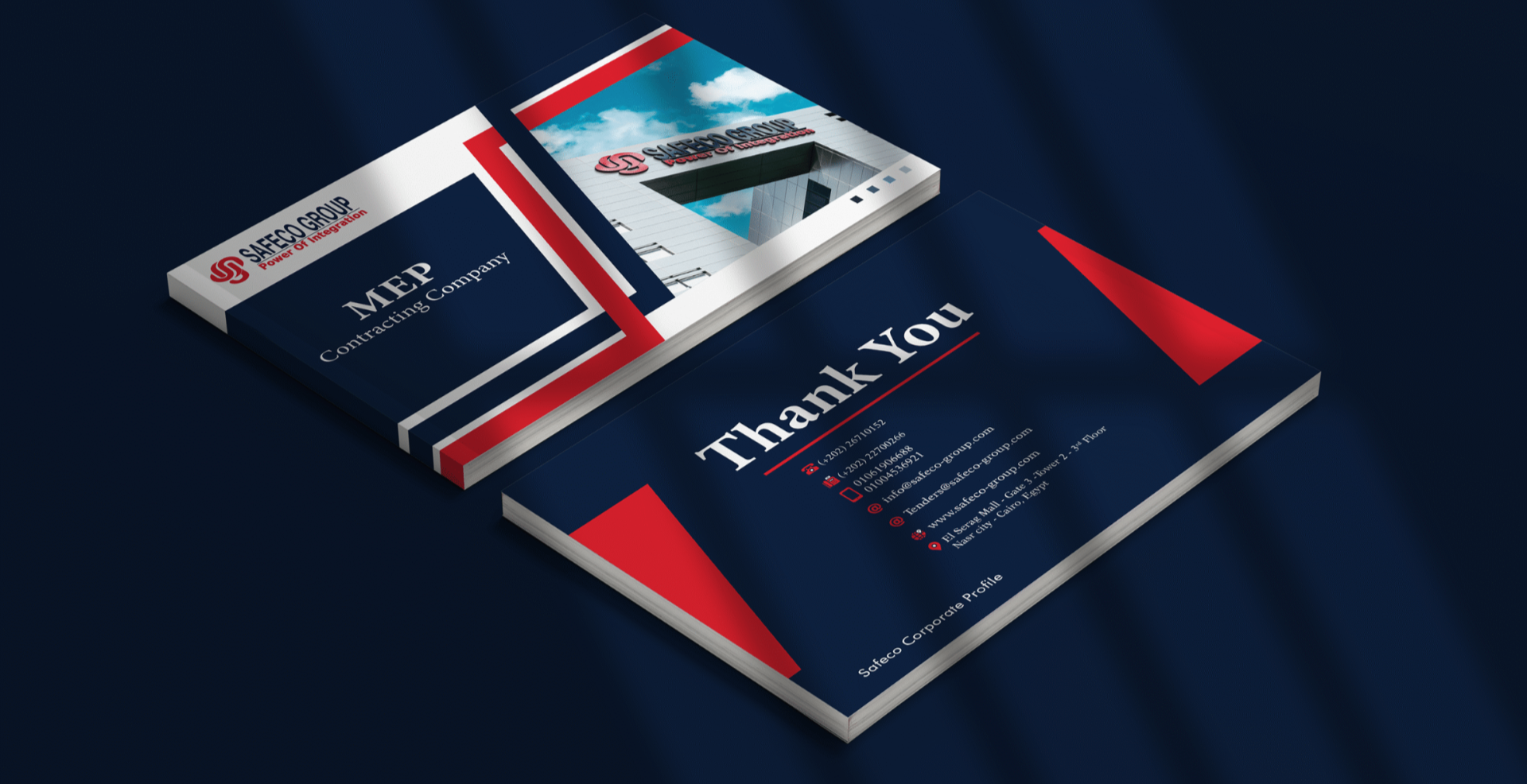
For reference, the SafeCo Group case study shows a brand film produced as part of a wider brand programme alongside collateral, signage, campaigns and presentations. RX Designer scripts, shoots, edits and animates corporate films, event coverage and reels through its video, motion and photography service. If you already hold quotes, send every bidder the same one-page brief and the nine-point list above, and ask them to re-quote against it; the numbers that come back will finally be comparable.
Frequently asked questions
Why do corporate video quotes in Saudi Arabia vary so much?
Because each producer is pricing a different scope. The number of shoot days and locations, permits, drone use, talent, motion graphics and the number of language versions and cut-downs all change the price, and a loose brief leaves each bidder to assume their own answers.
Do I need a permit to film a corporate video in Saudi Arabia?
Filming in public and tourist places requires a no-objection certificate from the General Authority for Media Regulation, applied for by a licensed media entity. Private sites need the owner's consent, and drones need separate approval from the General Authority of Civil Aviation. Confirm the current requirements with each authority before the shoot.
Do corporate shoots in Dubai need a filming permit?
Yes. Under the Dubai Film and TV Commission's rules as reported in 2024, corporate shoots need a permit applied for through a licensed UAE production house, and the script must be approved first, which can take up to 25 business days.
Is it cheaper to subtitle a corporate film than to make Arabic and English versions?
Generally yes. Subtitles need one edit and one voice-over, while separate versions need two scripts, two voice-overs and on-screen text and graphics rebuilt for Arabic. Decide early, because the choice also affects the shoot.
What should a corporate film quote include?
A list of deliverables with durations and languages, shoot days and locations, permits and lead times, scriptwriting, talent and music rights, revision rounds, and which files you receive, including whether raw footage is handed over.
- General Authority for Media Regulation, No objection certificate for filming permit.
- film.sa, Frequently Asked Questions.
- General Authority of Civil Aviation, GACA launches its electronic services for drones permits (2019-01-11).
- Khaleej Times, Dubai: How to apply for filming permit; rules, fines, process explained (2024-10-09).
- Pact, Country intel: Qatar.
- The Peninsula, Civil Aviation Authority explains key provisions of new law regulating drones (2026-07-30).