- Argaam reported on 5 November 2026 that Knauf's offer took its UMI stake from 63.2% to 99.3%, settling on 18 November.
- Knauf intends a mandatory offer for the rest and to delist UMI, subject to CMA approval and an EGM.
- The CMA offer document refers to the potential introduction of Knauf's brand at UMI and says no decision has yet been made.
- For manufacturers, trademarks, technical documentation and dealer materials are brand assets a buyer will examine.
On 5 November 2026, Argaam reported the result of Knauf International’s cash offer for the remaining shares of United Mining Industries Company (UMI), a Jeddah-based building-materials manufacturer: holders of 36.1% of the shares accepted, which takes the German group’s stake to 99.3% on settlement on 18 November. Knauf has said it intends to delist UMI. For Saudi contractors, distributors and specifiers, the practical question is what happens to the UMI name they buy from. For Saudi family-owned manufacturers, the deal is a reminder that brand and sales assets are part of what a buyer assesses. This piece sets out the verified facts, then, as clearly labelled analysis, the brand architecture choices that follow a takeover like this.
What happened
January 2026: the plan
On 22 January 2026, Knauf Group announced a planned acquisition of a 63.2% stake in UMI, followed by an offer for up to 100% of its shares under the CMA’s merger rules. Paul Button, General Manager of Knauf GCC, said “UMI has a strong industrial base and market presence in Saudi Arabia”. Until approvals were complete, Knauf’s regional leadership team was to oversee integration and further development (Knauf release via Presseportal, 22 Jan 2026).
May 2026: control
On 13 May 2026, Knauf said it had completed the purchase of the 63.2% stake, 8,850,669 shares, at SAR 57 per share, about SAR 504.5 million in total. The release speaks of “continuity and long-term development” (Knauf, 13 May 2026). Arab News reported that the shares were bought from three former major shareholders and that UMI, founded in Jeddah in December 2006, has been listed on Nomu, the Saudi Exchange’s parallel market, since 2023 (Arab News, 28 Sep 2026).
September to November 2026: the offer
- Offer terms. The CMA published the offer document on 27 September 2026: SAR 57 per share in cash for up to 5,149,331 remaining shares, a maximum of about SAR 293.5 million, with no minimum acceptance condition (CMA offer document, 27 Sep 2026).
- Result. Acceptance ran from 27 September to 4 November. Shareholders tendered about 5.05 million shares (36.1%), raising Knauf’s holding to 99.3%, with settlement on 18 November (Argaam, 5 Nov 2026).
- Next steps. Knauf plans to seek CMA approval for a mandatory offer for the remaining shares at no less than SAR 57, and intends to delist UMI after completion, which needs CMA approval and an extraordinary general meeting (Argaam).
What Knauf has said about UMI’s future
The offer document is the most detailed statement of intent. Knauf says it intends to continue UMI’s business and operations on a normal basis, does not intend material changes to the nature of the business or the situation of its employees, and expects no involuntary redundancies as a result of the offer. On brand, it refers to the “potential introduction of Knauf’s brand, processes, operational and safety improvements” and says no decision has yet been made on the viability of these initiatives (CMA offer document). The document also refers to a newly launched gypsum plasterboard production line and describes Knauf, founded in 1932 and based in Iphofen, Germany, as having plants in Ras Al Khaimah and Salalah besides UMI.
Arab News quoted analyst Abdulaziz Khuraiss as describing the deal on X as a “market first”; the paper’s summary of his view is that a foreign strategic buyer that had already bought the main shareholders’ stakes then moved for the rest, which could take the company off the parallel market (Arab News). That is an analyst’s view, not a regulatory finding.
RX analysis: the brand decision Knauf has not yet made
Because the offer document says no brand decision has been taken, the market does not yet know which of the usual paths UMI will follow. Each has different consequences for the people who buy and resell the products.
| Option | What buyers see | Strength | Risk |
|---|---|---|---|
| Keep the local name, unchanged | UMI as before; ownership mentioned only in the “about” section | No disruption to approvals, specifications or dealer stock | Little benefit from the new owner’s reputation |
| Endorse (“UMI, a Knauf company”) | Local name stays; the parent’s name adds assurance | Keeps continuity while signalling backing and technical depth | Two names to manage across packaging, documents and digital channels |
| Migrate to the parent brand | Products and documents move to the global name over time | One brand across the region; strongest single message | Specifications, approvals and dealer materials that cite the old name must be reissued |
For a building-materials maker, the cost of a change sits less in the logo than in documents. Contractors and consultants work from technical data sheets, test certificates, approvals and specifications that name a product and a manufacturer. Distributors hold catalogues, price lists and showroom material. If the name changes, every one of those has to be updated in a planned order, or buyers meet two names for the same product. Our article on rebranding a manufacturer without losing dealers covers that sequence in detail.
What contractors, distributors and specifiers should watch
- The completion and delisting announcements. Argaam reported that completion was to be announced no later than 19 November 2026. The delisting itself still needs CMA approval and an EGM.
- Any brand announcement. If UMI products are to carry Knauf branding, ask how existing approvals and specifications will be transferred and how long both names will be in use.
- Technical documentation. Check that data sheets and certificates on file match what is delivered to site, especially for any product from the new plasterboard line.
- Distributor terms. Dealers should expect questions about territories and range when a global group takes control. Nothing on this has been announced.
For Saudi family-owned manufacturers: brand assets a buyer will examine
Most Saudi manufacturers will never receive an offer from a global group. Those that do, or that want a strategic partner, will find that a buyer looks past the factory to the commercial assets: a recognised name, documentation that specifiers trust, a dealer network and sales channels. Arab News listed “production assets, sales channels and an existing brand” among what the UMI deal includes (Arab News). In our analysis, the following are worth putting in order well before any approach:
- Clear ownership of the brand. Trademarks registered in the company’s name in the markets where it sells, and design files and rights held by the company, not by a former supplier.
- A documented identity. Brand guidelines, approved logo files and templates, so that a new owner can keep, endorse or migrate the brand in a controlled way.
- A product catalogue and technical library. Current, consistent technical data sheets and certificates for every product, available online. See our guide to B2B product catalogues for distributors.
- A website that shows the business as it is. Plants, capacity statements you can support, approvals, the dealer network and contact routes, in Arabic and English.
- Dealer and sales materials. A sales kit and co-branding rules for distributors, so the brand appears consistently in the market.
None of this sets a valuation. It makes the brand easier to assess and easier to integrate, whichever path an owner chooses. The same logic applies to a merger between Saudi groups; our note on Qassim Cement’s ready-mix acquisition looks at integration from the buyer’s side.
What to do next
- If you buy or resell UMI products: keep a record of the approvals and specifications that name UMI, and ask your account contact how they will be handled if branding changes.
- If you run a Saudi manufacturer: check who legally owns your trademarks and design files, and fix any gaps now.
- Review your technical library. Make sure every product has a current data sheet and certificate, consistent in name and format, on your website.
- Write down your brand architecture. If you have more than one company or product brand, decide on paper whether each would be kept, endorsed or merged in a partnership or sale.
- Align your dealers. Give distributors a current catalogue, sales kit and co-branding rules so the market sees one consistent brand.
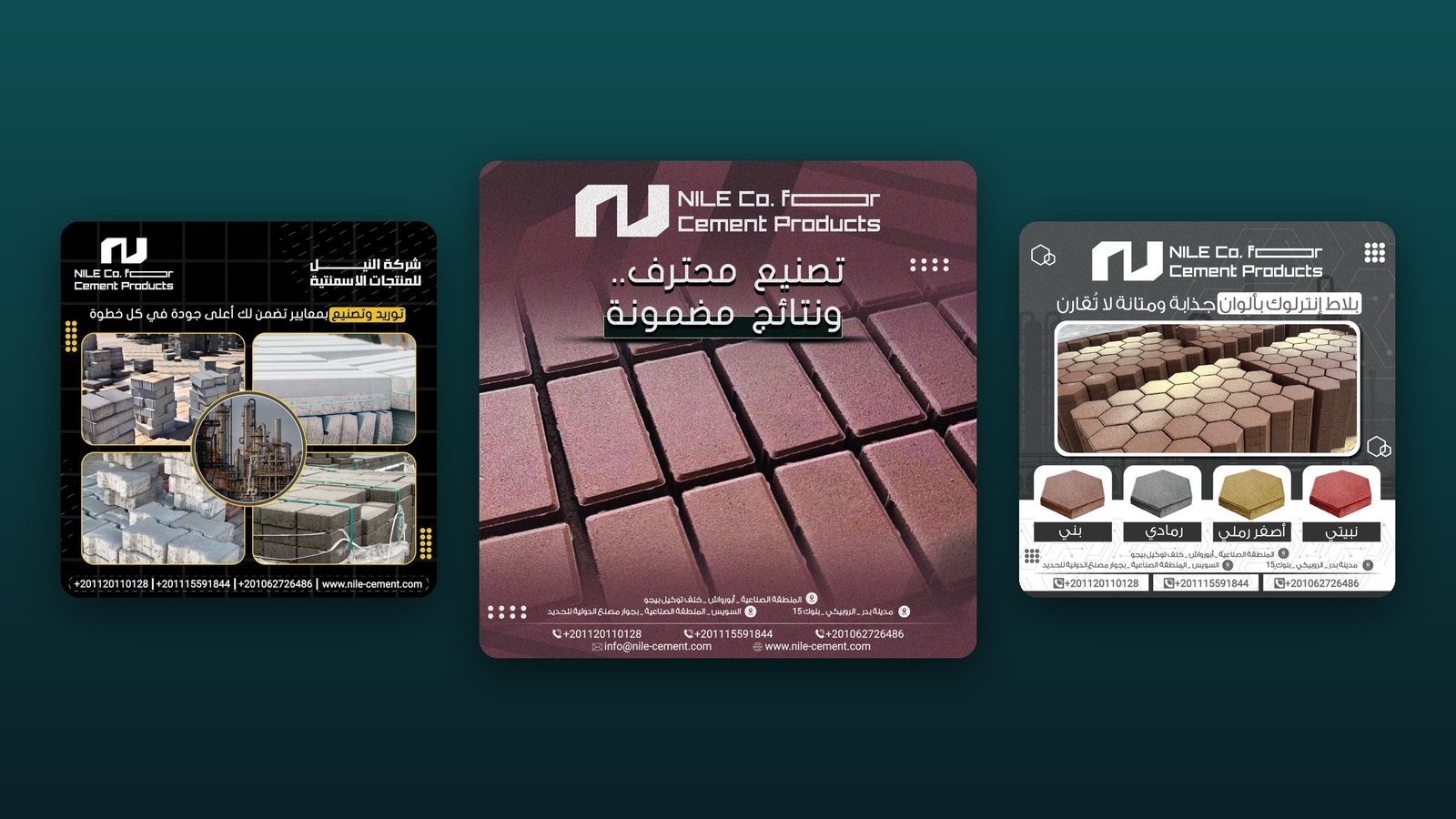
RX’s brand identity and positioning service builds brand architecture, guidelines and the company profiles and catalogues that carry them, for manufacturers and distributors in Saudi Arabia and Egypt. Our work for Nile Cement, an Egyptian precast manufacturer, shows an industrial brand system in use. If you want an outside view of your brand assets first, a paid business diagnosis session reviews your brands, documents and dealer material and sets out what to fix first.
Frequently asked questions
How much of United Mining Industries does Knauf own?
Knauf bought 63.2% in May 2026 at SAR 57 per share. Argaam reported on 5 November 2026 that its offer for the rest drew acceptances of 36.1%, taking the stake to 99.3% on settlement on 18 November 2026.
Will United Mining Industries be delisted?
Knauf intends to delist UMI after the takeover is completed. According to Argaam, that requires CMA approval and an extraordinary general meeting, and Knauf also plans to seek approval for a mandatory offer for the remaining shares.
Will the UMI brand change to Knauf?
Not decided. The CMA offer document refers to the potential introduction of Knauf's brand, processes, operational and safety improvements, and says no decision has yet been made on the viability of these initiatives.
What brand options does a company have after an acquisition?
Broadly three: keep the acquired name unchanged, endorse it with the parent's name (for example 'a Knauf company'), or migrate products to the parent brand over time. Each has different effects on approvals, specifications and dealer materials.
- Argaam, Knauf raises stake in United Mining to 99.3%, plans delisting (2026-11-05).
- Capital Market Authority, Offer Document: Knauf International GmbH offer for United Mining Industries Company (2026-09-27).
- Arab News, Germany's Knauf doubles down on Saudi Arabia with $78m bid to acquire United Mining Industries (2026-09-28).
- Knauf, Knauf completes acquisition of majority stake in United Mining Industries Company (UMI) (2026-05-13).
- Knauf Group via Presseportal, Knauf announces planned acquisition of majority stake in United Mining Industries Company (2026-01-22).