- The GCC Railway General Agreement was signed in Bahrain on 8 November 2026. It is legal and regulatory groundwork, not an opening.
- Reported figures differ: about 2,100km (The National), 2,117km (Oman Observer) or 1,768km (ARN). Full operations are reported for December 2030.
- Each rail claim should match what you actually run: operating, preparing or watching.
- Prepare service architecture, coverage maps, tender documents and a dated content series now, and update them at each verified milestone.
On 8 November 2026, the GCC transport ministers signed the General Agreement for the GCC Railway Project in Bahrain. The signing took place at the 31st meeting of the GCC Ministerial Committee for Transport and Communications. Bahrain’s Crown Prince and Prime Minister, Prince Salman bin Hamad Al Khalifa, attended, as did GCC Secretary General Jasem Mohamed Albudaiwi. According to the statement published by Oman’s Ministry of Foreign Affairs, the agreement is meant to help build “a unified, interoperable regional railway network connecting all GCC countries”.
For Saudi logistics, freight-forwarding, warehousing and industrial companies, the kingdom is in the middle of the network. The reported links to Kuwait and Qatar, and Bahrain’s proposed causeway, all connect through Saudi Arabia. UAE and Omani firms face the earliest cross-border section on the reported timelines, between Sohar and Abu Dhabi. A legal agreement does not run any trains. It does change what companies can credibly start saying about their GCC coverage, and when. This piece covers what was announced, which numbers are still uncertain, and what to prepare now without promising a service you do not yet run. Most of that work is marketing strategy rather than advertising: deciding which lanes and buyers matter before anyone redraws a map or writes a brochure.
What was announced on 8 November
| Point | What the sources say | Source |
|---|---|---|
| The agreement | The six GCC states signed the General Agreement for the GCC Railway Project at the 31st meeting of the GCC Ministerial Committee for Transport and Communications, held in Bahrain. | Oman Ministry of Foreign Affairs, 8 Nov 2026 |
| Purpose | A unified, interoperable regional railway network connecting all GCC countries. The Secretary General described it as a step towards Gulf integration in transport. | Oman MFA |
| Why it matters legally | Bahrain’s transport minister, Sheikh Abdulla bin Ahmed Al Khalifa, said it is an essential step towards completing the legal and regulatory work needed before the project can proceed. | The National, 8 Nov 2026 |
| Trade framing | Prince Salman stressed that the project would advance transport and logistics, facilitate trade and create economic and investment opportunities. | TradeArabia |
| Target date | Full operations in December 2030. The GCC also put project completion at 55.92%, with 94.45% of the track route reserved, according to ARN’s report of a GCC announcement on X. | ARN News Centre, 9 Nov 2026; Oman Observer, 9 Nov 2026 |
The figures are not consistent from one outlet to the next. The National describes a network of about 2,100km from Kuwait in the north to Oman in the south. Oman Observer gives 2,117km. ARN gives 1,768km. The National’s article gives no opening date for the full network, while ARN and Oman Observer report December 2030. When you quote this project in your own material, quote the source and the date with the number. A completion percentage taken from one news report and repeated without a source tends to end up in a tender response long after it has gone out of date.
Where the national links stand
The GCC network is a chain of national and cross-border lines at different stages, not one construction site. As reported in the sources above:
- UAE: The National says the UAE has already launched its national railway network. Oman Observer reports that passenger service started on 30 June 2026 between Abu Dhabi and Fujairah and was extended to Dubai in September.
- Oman and UAE: Hafeet Rail, a 238km line linking Sohar with Abu Dhabi via Al Buraimi and Al Ain, is expected to begin trial operations in 2027 (The National). Oman Observer says Oman’s transport minister, Said bin Hamoud Al Maawali, put the trial start in Q4 2027.
- Saudi Arabia and Kuwait: Oman Observer reports a 650km corridor expected around 2028.
- Saudi Arabia and Qatar: Oman Observer reports that a high-speed electric Riyadh–Doha link is underway, with no date given.
- Bahrain: The National notes that Bahrain’s connection depends on the proposed King Hamad Causeway, a planned road and rail link to Saudi Arabia.
For marketing, this sequence matters more than the 2030 headline. A Saudi forwarder moving cargo between the Eastern Province and Kuwait has a reported 2028 corridor to plan for. A UAE or Omani forwarder on the Sohar–Abu Dhabi lane faces the question in 2027. A company serving Bahrain depends on a causeway that is still only proposed. The right message is different in each case.
What it means for logistics brands (RX analysis)
Customers are likely to start asking about rail before rail freight is available to book across borders. Procurement teams that build multi-year supply plans can be expected to ask carriers, 3PLs and forwarders how rail fits their offer. If the answer is vague, or missing from the website, the company looks unprepared even when its operations team has done the work.
The opposite risk is just as real. Rail is easy to put in a brochure: a train on a cover, the words “multimodal GCC coverage”, a map with a dotted line. A buyer who then asks for a rail rate, a transit time or a booking process and gets nothing loses trust in the rest of the document. Every rail statement should describe your actual position:
| Your actual position | What you can say | What to avoid |
|---|---|---|
| Already moving cargo by rail on a national line (for example in the UAE) | The corridors, cargo types and handover points you run today, with proof such as a case example or a named terminal. | Presenting a national service as a GCC-wide one. |
| Preparing (agreements, equipment, trained staff), not yet running | “Preparing rail-linked services on [corridor]”, the date you expect to start, and how customers can register interest. | “Rail freight available” or prices you cannot yet quote. |
| Watching the project, no plans yet | Sector commentary: what the network may change for your customers’ supply chains, with sources and dates. | Any service claim. Put the subject in an insight article, not on your service pages. |
| Supplying the build itself (materials, MEP, safety, facilities) | Relevant capability, standards and references for infrastructure work, in a tender-ready format. | Implying a role on the GCC railway that you do not have. |
Five things to prepare before the first cross-border train
1. Rebuild the service architecture around modes and corridors
Many logistics websites still list services by department (sea freight, air freight, land transport, customs clearance). Many buyers plan by lane and outcome, for example “Jebel Ali to Riyadh, under X days, with customs”. Plan a structure that can take rail as a mode within a lane without redesigning the site: a corridor or lane page template, a mode filter, and space for the transit and handover details rail will need. Our guide to lead-generation websites for freight forwarders covers the quote-request side of this.
2. Redraw the coverage map honestly
The coverage map is one of the first things a buyer checks in a logistics company profile, and it easily drifts away from what the company actually runs. Separate what you run yourself, what you run through partners and what is planned, using a legend customers can understand at a glance. When rail is added, mark it the same way: operating, in trial or planned, with a date stamp.
3. Get tender documents ready
Rail-related work will reach many companies through prequalification and tenders: terminal operations, feeder trucking, warehousing near stations, and maintenance and facility services. Large buyers and authorities will ask for a company profile, method statements, HSE credentials and local-content evidence. Prepare these before a notice appears. Our guide to the company profile for prequalification sets out what evaluators check.
4. Start a dated sector content series
Your sales team needs something to send when a customer asks “what does the GCC railway mean for us?” A short, sourced explainer, refreshed at each milestone (agreement signed, Hafeet Rail trials, the first cross-border commercial service), is better than one large piece written once. It also gives LinkedIn and email something real to say. Our article on social media for logistics companies has posting ideas that are not empty “we are excited” posts.
5. Brief the sales team on one consistent answer
Agree a two-line internal answer: what the company is doing about rail, and what it is not promising. Put it in the sales kit and the FAQ so that account managers in Dammam, Dubai and Muscat give customers the same answer. Inconsistent answers from your own team undermine the rest of your material.
A simple milestone calendar
Tie communication to milestones you can verify, not to guesses:
- Now (November 2026): Update the “about the market” sections and publish a dated explainer citing the 8 November agreement.
- Before Hafeet Rail trials (reported for 2027): Review the Oman–UAE lane pages, partner arrangements and FAQs if that corridor matters to your customers.
- At each new official date: Re-check figures against the GCC Secretariat and national rail operators before reusing them; timelines on projects of this size often move. Change your copy only when your own service changes.
- When a cross-border commercial rail service opens: Launch a service only if you can quote, book and deliver it.
What to do next
- Write down your rail position in one line (operating, preparing or watching) and have operations and sales agree it.
- Audit every rail and “GCC-wide” claim on your website, company profile and LinkedIn page against what you can quote and deliver today.
- Restructure service pages by lane, starting with your top three Saudi or cross-border corridors, so rail can be added as a mode later.
- Update your prequalification pack (profile, HSE, local-content evidence) so it is ready before rail-related tenders appear.
- Publish one dated explainer on what the 8 November agreement means for your customers, and set a reminder to update it at the next official milestone.
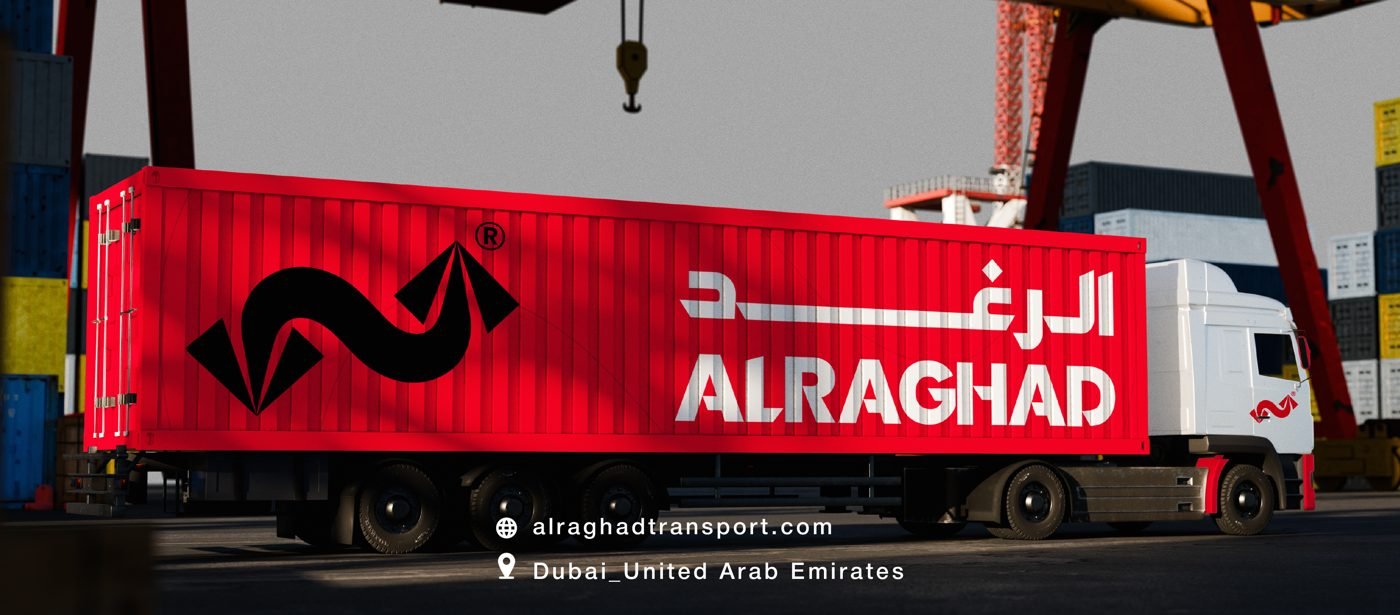
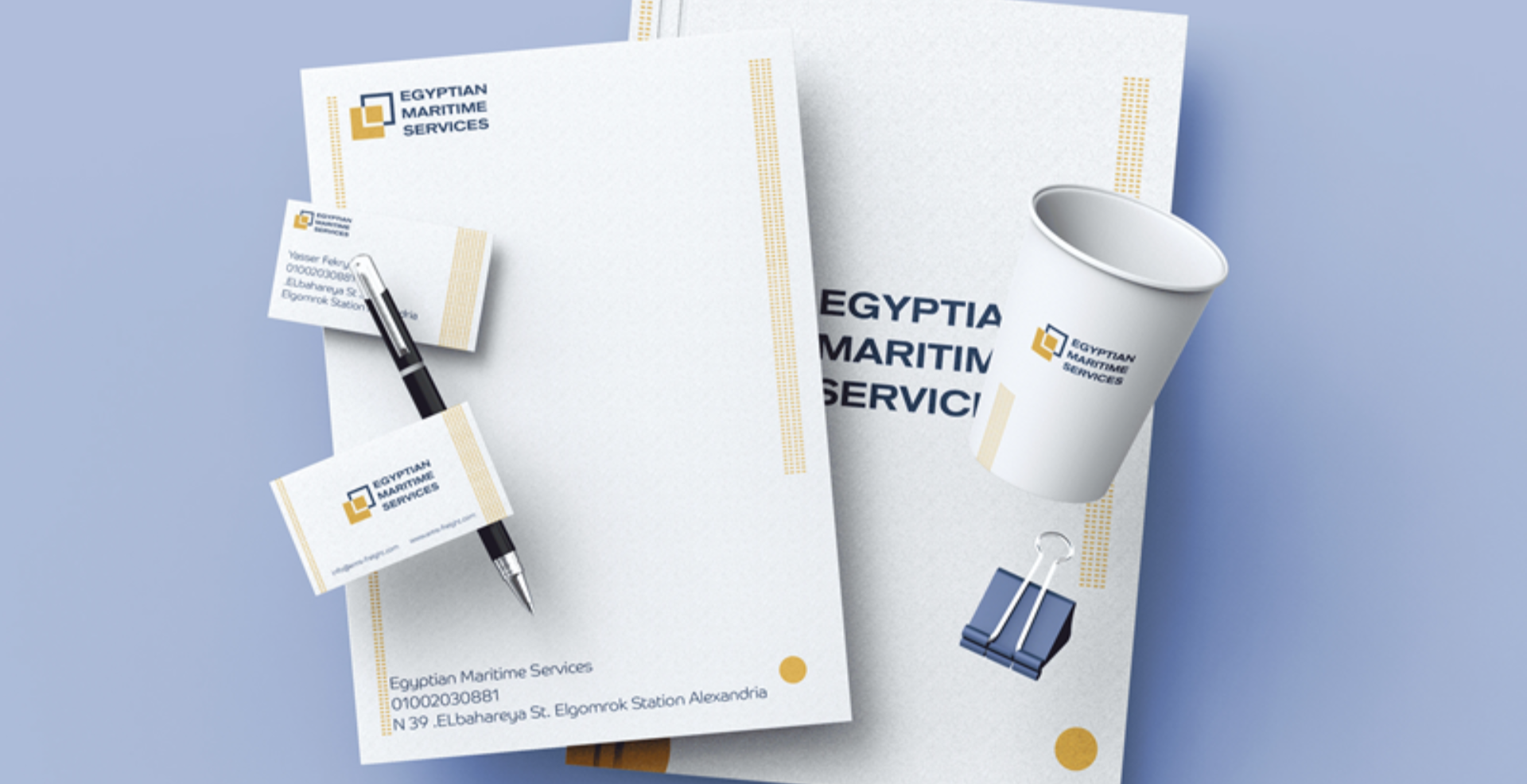
Our marketing strategy service covers this kind of positioning work: the lanes, the buyers and what you can actually deliver, decided before anything is designed. For logistics examples, see our work for Alraghad, a road, sea and air freight company, and Egyptian Maritime Services. Neither project involved rail. If you would like to test your rail and coverage messaging before customers ask, a paid Business Diagnosis session is a structured place to start.
Frequently asked questions
When was the GCC Railway General Agreement signed?
On 8 November 2026 in Bahrain, at the 31st meeting of the GCC Ministerial Committee for Transport and Communications, according to Oman's Ministry of Foreign Affairs.
When will the GCC railway open?
ARN and Oman Observer report full operations targeted for December 2030, citing GCC and Omani officials. The National's report gave no opening date. Some cross-border sections may open earlier; for example, Hafeet Rail (Oman–UAE) is expected to begin trial operations in 2027.
How long is the GCC railway?
Reports differ. The National says about 2,100km from Kuwait to Oman, Oman Observer says 2,117km and ARN says 1,768km. Quote the source and date with any figure you use.
Should a logistics company advertise rail services now?
Only for services it can already quote, book and deliver, such as existing national rail operations. If you are preparing for rail, say so and give a realistic start date. If you are only watching, cover the subject in sector content, not on your service pages.
- Oman Ministry of Foreign Affairs, General Agreement signed for GCC railway project (2026-11-08).
- The National, Gulf rail network: GCC states on board with plan for 2,100km project (2026-11-08).
- Oman Observer, GCC rail network is 56% complete; pact signed for integration (2026-11-09).
- ARN News Centre, GCC railway network to begin operations in 2030, 56% of project completed (2026-11-09).
- TradeArabia, Gulf countries ink landmark rail agreement, full operations set for 2030 (2026-11-08).