- On 9 November 2026 Barclays opened a KAFD office as Barclays Capital Saudi, under a CMA licence for investment banking and global markets.
- The office builds on a 2025 RHQ licence and comes with a named, Riyadh-based CEO and a senior local team.
- Since 1 January 2024, Saudi government entities have been limited in contracting with foreign firms without an RHQ (law-firm summaries; check the current rules).
- An entry announcement only works if the website, the local leader's LinkedIn and the sales material show the same local substance.
On 9 November 2026, Barclays announced that it had opened an office in the King Abdullah Financial District (KAFD) in Riyadh, after the Capital Market Authority (CMA) granted it an operational licence for investment banking and global markets activities in the Kingdom. The announcement came with a full local leadership line-up, led by a Riyadh-based chief executive with about two decades of experience in the Saudi market. For any foreign B2B company planning its own Saudi entry, it is also a useful model of how a market-entry announcement is built, and of what has to sit behind it once the press release has been read. Below we set out the verified facts, then a practical Saudi market entry checklist for the website, leadership profiles and sales material that a go-to-market plan should cover.
What happened
- The office. Barclays opened a new office in KAFD, Riyadh, describing it as a milestone in building out its Saudi Arabia franchise (Barclays release via WebWire, 9 Nov 2026).
- The licence. The CMA granted Barclays an operational licence to conduct investment banking and global markets activities in the Kingdom. This builds on the Regional Headquarters (RHQ) licence the bank secured in 2025 (TradeArabia, 9 Nov 2026).
- The local entity and its leader. Majed Al Hassoun was named CEO and Head of Investment Banking of Barclays Capital Saudi. He is based in Riyadh, leads the local legal entity and reports to Khaled El Dabag, CEO of the RHQ and Co-CEO and Head of Investment Banking for the Middle East. He joins from State Street Saudi Arabia, where he was CEO, and previously worked at Citigroup and Saudi Fransi Capital (WebWire).
- The rest of the team. The announcement also named a Head of Markets, a Head of Institutional Coverage, a Chief Financial Officer and a Head of Compliance and Money Laundering Reporting Officer, alongside the chairman, Mohammed Al-Sarhan, whose appointment had been announced earlier (TradeArabia). The release on WebWire also names Talal AlKhereiji as a new independent non-executive director on the board.
- Who it serves. The office focuses on investment banking and global markets for corporate, government and institutional clients (FF News, 9 Nov 2026).
- The message. Group Chief Executive C. S. Venkatakrishnan said: “The opening of our Riyadh office marks an important step in our growth in Saudi Arabia and across the Middle East” (TradeArabia).
This is a return rather than a first entry. In October 2025, Al-Sarhan told Asharq Al-Awsat that Barclays had a presence in the Kingdom about 14 years earlier, and linked its withdrawal to a regulatory environment that “was not sufficiently clear”. At that point the bank had preliminary CMA approval and had secured its KAFD headquarters, and Al-Sarhan said it was looking for “an experienced CEO who understands the financial and investment environment in the country” (Asharq Al-Awsat, 30 Oct 2025). The launch he described was planned for the first or second quarter of 2026; the office opened in November.
The sequence behind the announcement
Put the dated facts in order and the structure of the entry becomes clear. Each step answers a different question a Saudi buyer asks.
| Step | What Barclays did (as reported) | The buyer’s question it answers |
|---|---|---|
| 1. Regional base | RHQ licence, 2025 | Are they committed to the Kingdom, or flying in? |
| 2. Governance | Independent chairman named before launch; an independent director added at launch | Who is accountable here? |
| 3. Operating licence | CMA licence for investment banking and global markets | Are they allowed to do this work locally? |
| 4. Address | Office in KAFD | Where do we meet them? |
| 5. Named local leader | CEO with about two decades in Saudi financial services, based in Riyadh | Who do we call, and do they understand our market? |
| 6. Full team | Markets, coverage, finance and compliance heads named | Is this a real operation or a representative office? |
The RHQ step matters beyond banking. Since 1 January 2024, Saudi government entities have been limited in contracting with foreign companies that do not have a regional headquarters in the Kingdom. As summarised by Mayer Brown in April 2024, an RHQ must have at least 15 full-time employees within its first year, including at least three at executive or senior level, and is not meant to carry out revenue-generating commercial activity itself; that is the job of a separately licensed operating entity (Mayer Brown, Apr 2024). Barclays’ structure follows that split: an RHQ, then a CMA-licensed local company. Exceptions apply and the details change, so check the current rules with the Ministry of Investment and your advisers.
RX analysis: what the press release cannot do on its own
A market-entry release is read once. What the buyer does next is check. A procurement manager, a CFO or a consultant who sees the news will look up the company’s website, the local leader’s LinkedIn profile and the sales material that arrives with the first meeting. If those still describe a regional or global business with no Saudi substance, the announcement loses force.
Barclays is a household name with a long public record; most foreign entrants are not. A mid-sized engineering consultancy, software vendor or professional-services firm opening a Riyadh office has to earn the trust that a large brand partly inherits. That makes the material behind the announcement more important, not less.
In our analysis, three gaps are common when a foreign company announces a Saudi office:
- The website does not change. The new office appears as one line on the contact page. There is no Saudi page, no Arabic version of the key pages and no local contact route that reaches a person in the Kingdom.
- The local leader is invisible. The new country head has a thin LinkedIn profile, still showing the previous employer weeks after the announcement, and no bio on the company site.
- The sales deck is global. Case studies, references and team pages come from other markets, so the first meeting quietly contradicts the “we are local now” message.
A positioning checklist for your own Saudi entry
Use this list before, not after, your announcement goes out. It is written for B2B firms (consultancies, technology vendors, engineering and professional-services companies), but most points apply to any foreign company setting up in the Kingdom.
Licences and facts, stated precisely
- Name the local legal entity exactly as registered, and say which licence it holds and from which authority. Barclays’ wording is specific: an operational CMA licence for named activities.
- Separate the RHQ from the operating company if you have both. Buyers and government entities may ask which entity will sign the contract.
- Do not describe plans as completed. If a licence is preliminary, say so.
Website
- A Saudi page (or section) that explains what the local entity does, for whom, from which address, and who leads it.
- Arabic versions of at least the pages a Saudi buyer will open first: home, services, about, the Saudi page and contact. Our guide to Arabic and English website structure for Gulf buyers covers how to set these up for search.
- A local phone number, a WhatsApp route if your buyers use it, and a contact form that is routed to the Saudi team, not to a global inbox.
- The address in the recognised district, shown consistently on the site, in Google Business Profile and in email signatures.
Leadership visibility
- A full bio for the country head on the website, with local experience stated factually.
- An updated LinkedIn profile for the leader on announcement day, with headline, role and the local entity name. See our note on what Gulf executives should post.
- A short plan for the leader’s first three months of LinkedIn activity: the announcement, the team, client-relevant views on the market. The leader stays in control and approves every post.
Sales material
- A Saudi version of the company profile and capability deck, bilingual where buyers expect it.
- Any Saudi or GCC references you are permitted to use. If you have none yet, say what you have done in comparable markets and what the local team brings; do not imply local projects you have not delivered.
- Documents that procurement teams ask for at registration, prepared before the first tender appears.
Announcement itself
- One factual release, in Arabic and English, with dated facts and named people.
- Quotes from the group leader (commitment) and the local leader (what changes for clients).
- The website and LinkedIn changes live on the same day, so the people who check find the same story.
Who should pay attention
Foreign B2B firms planning a Riyadh office. The order of steps matters. Licence and governance first, then the address and the leader, then the visible material. Announcing before the local entity can contract creates questions you cannot yet answer.
Regional companies already serving Saudi clients from Dubai or Cairo. If you are considering an RHQ or a local entity, the announcement is a chance to reset how you are perceived in the Kingdom. Plan the brand and website work alongside the legal work, not after it. Our go-to-market guide for Saudi Arabia covers the marketing work that follows the licence.
Saudi companies competing with new entrants. Expect international firms to arrive with polished local material. A clear Arabic website, visible leadership and documented local work are the advantages a local company should not leave unclaimed.
What to watch next
- Whether other international investment banks follow with full local licences and local CEOs. FF News argued that the move signals the end of a “wait-and-see” period for international banks in the Kingdom (FF News); that is the outlet’s analysis, not Barclays’ statement.
- Competition for experienced Saudi executives, which FF News also highlights. For any entrant, a named local leader is part of the positioning, not only an HR decision.
- Changes to RHQ rules and government-contracting exceptions. Check the current position with the Ministry of Investment and your advisers before planning around them.
What to do next
- Write down your entry sequence. List which entity will hold which licence, when, and which entity will sign Saudi contracts. Do not announce steps that are not complete.
- Audit what a Saudi buyer will find. Open your website, your country head’s LinkedIn profile and your current sales deck as if you were a procurement manager in Riyadh. Note every place where the Saudi story is missing.
- Build the Saudi layer before launch day. A Saudi page, Arabic versions of the first pages buyers open, a local contact route and a full bio for the local leader.
- Prepare the local sales kit. A Saudi company profile and capability deck, with only the references you are permitted to use.
- Release everything together. Announcement, website changes and LinkedIn updates on the same day, in Arabic and English.
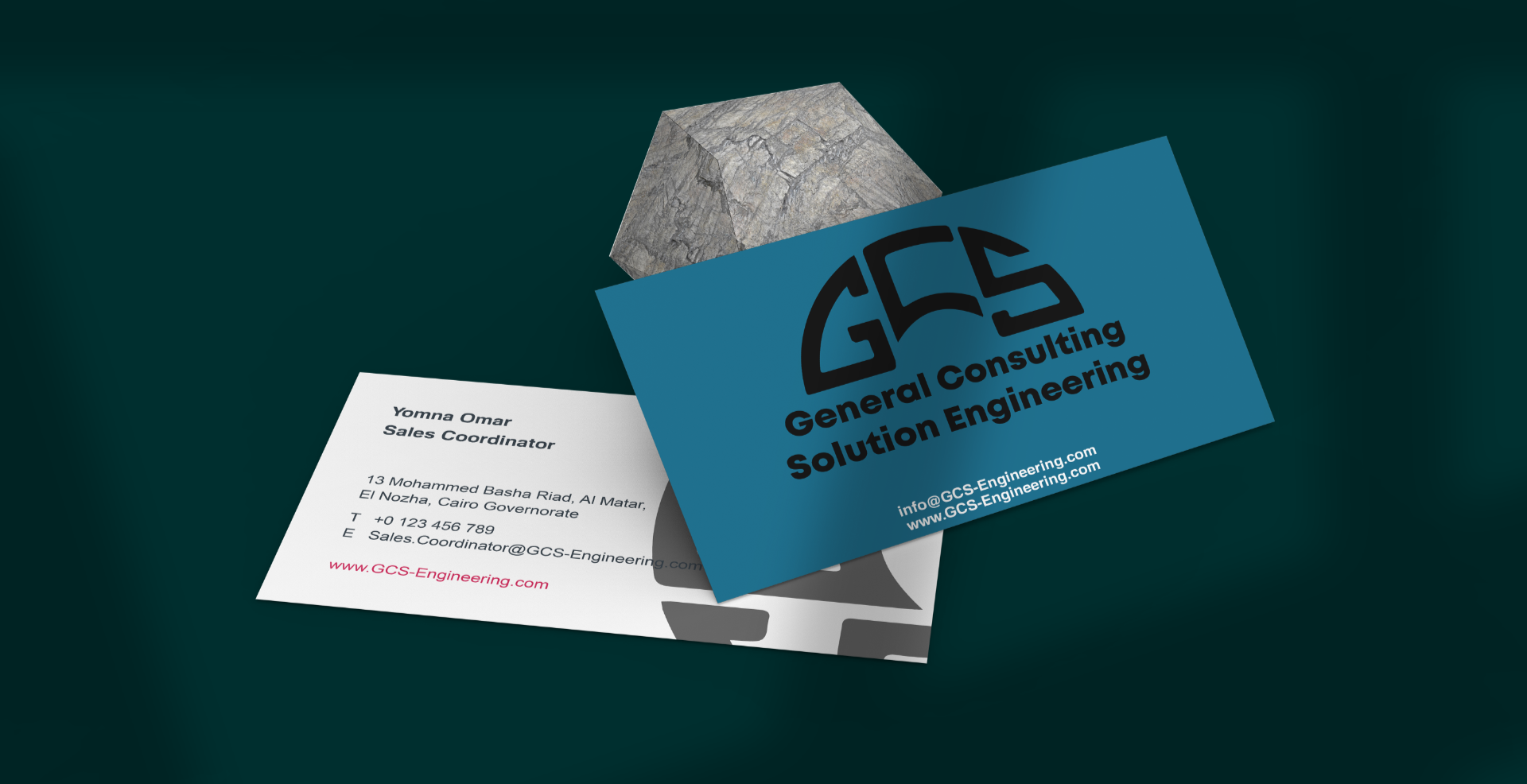
RX’s marketing strategy and research service builds launch and go-to-market plans for companies entering or expanding in Saudi Arabia, from positioning to the website, LinkedIn and sales material behind them. Our work for GCS, a new fire-safety brand entering the Saudi market, shows identity, launch and sales tools working together. If you want a second view on your entry plan first, a paid business diagnosis session reviews your current material against what Saudi buyers check.
Frequently asked questions
What did Barclays announce in Riyadh?
On 9 November 2026 Barclays said it had opened an office in King Abdullah Financial District after the Capital Market Authority granted it an operational licence for investment banking and global markets. Majed Al Hassoun leads the local entity, Barclays Capital Saudi, as CEO and Head of Investment Banking.
Is this Barclays' first presence in Saudi Arabia?
No. Its Saudi chairman, Mohammed Al-Sarhan, told Asharq Al-Awsat in October 2025 that Barclays had a presence in the Kingdom about 14 years earlier and withdrew because the regulatory environment was not sufficiently clear.
Why does a regional headquarters matter for foreign companies in Saudi Arabia?
Since 1 January 2024, Saudi government entities have been limited in contracting with foreign companies that lack a regional headquarters in the Kingdom, according to law-firm summaries such as Mayer Brown's (April 2024). Exceptions apply, so check the current rules with your advisers.
What should a foreign B2B firm prepare before announcing a Riyadh office?
The licensed local entity named precisely, a Saudi page and Arabic versions of key website pages, a local contact route, a visible local leader with an updated LinkedIn profile, and a Saudi version of the company profile and sales deck, all live on announcement day.
- Barclays via WebWire, Barclays opens new office in Riyadh to drive growth in Kingdom of Saudi Arabia (press release) (2026-11-09).
- TradeArabia, Barclays opens new office in Riyadh, makes key senior appointments (2026-11-09).
- FF News, Barclays opens new office in Riyadh to drive growth in Kingdom of Saudi Arabia (2026-11-09).
- Asharq Al-Awsat, Al-Sarhan to Asharq Al-Awsat: Barclays Returns to Riyadh 'at the Right Moment' (2025-10-30).
- Mayer Brown, Updates on Saudi Arabia's Regional Headquarters Program (2024-04).