- Put classification, disciplines and the projects most like the reader's at the front.
- Turn every project into a reference sheet with scope, client, value range if allowed, dates and photos.
- Show the team, equipment, HSE and certificates as evidence, not as claims.
- Keep one master profile and adapt shorter versions for each client type and tender.
A contracting company profile is read differently from almost any other company document. The reader is usually an engineer, a project manager or a procurement officer at a developer, a consultant or a main contractor, and they have a shortlist to fill. They are not looking for a mission statement. They want to know whether your company has done similar work, at a similar size, with the right people, equipment and approvals, and whether it can prove it.
This guide covers the commercial profile that contractors send to clients and partners in Saudi Arabia. For the formal version submitted against a tender’s scoring criteria, read our guide to the company profile for prequalification. Company profile design is part of our Brand Identity and Positioning service.
What reviewers check first
Two official documents show what Saudi reviewers ask about. The Contractor Classification Law says government entities may not accept a bid for a project subject to classification unless the contractor is classified in the right field, activity and grade, and that classification considers financial statements, the organisational structure and technical and administrative staff, and the number, types and values of projects completed (Contractor Classification Law, Ministry of Municipalities and Housing). The Arabic text governs; check the current version.
Private clients ask similar questions. The prequalification questionnaire published by Expo 2030 Riyadh Company, for example, asks for general information and classification, financial information, the organisation chart and key staff CVs, certificates and licences, a health and safety questionnaire, workforce numbers, an experience statement of similar contracts in the Kingdom, subcontracting, equipment, and engineering and design capability (EXPRO). A commercial profile that already answers these questions saves time for both sides.
A section order that works for contractors
- Cover and one-line positioning: what you build or install, for which sectors, in which regions.
- Company at a glance: legal name, commercial registration, year established, classification fields and grades, main disciplines, head office and branches.
- Disciplines and services: civil, MEP, fire protection, HVAC, maintenance or fit-out, each with what you self-perform and what you subcontract.
- Selected projects: the projects most similar to the reader’s work, first.
- Team and organisation: organisation chart, key people with their roles and experience, and engineering staff.
- Equipment and resources: owned and leased equipment, workshops, warehouses and workforce.
- Quality, HSE and certificates: management system certificates, HSE approach and record, approvals from authorities or manufacturers.
- Clients and partners: only names you are allowed to show.
- Contact: the person responsible for tenders and new business.
If you have engineers and technicians on the payroll, show them properly. The Muqawil platform’s establishment classification evaluates a company’s capabilities based on the number, experience and specialisation of its workforce, and requires engineers and technicians to be registered with the Saudi Council of Engineers (Muqawil).
Turn every project into a reference sheet
A list of project names proves very little. A one-page reference sheet for each key project is far more convincing:
| Field | What to show |
|---|---|
| Project and location | Name, city and type of building or facility |
| Client and consultant | Only if you are allowed to name them |
| Your role | Main contractor, subcontractor or supplier, and for whom |
| Scope | Disciplines and systems you delivered, in measurable terms where possible |
| Dates and status | Start, handover, or percentage complete |
| Value | A range, only if the contract allows it |
| Evidence | Site photos, completion certificate or a client letter, where permitted |
Real site photos are worth more than any illustration. Plan photography during the project rather than after handover; our guide to MEP project photography and video references explains how.
Design for scanning
- Use clear section dividers and page headings that make sense on their own.
- Put the facts in tables and short lists: classification, disciplines, numbers of staff, equipment.
- Keep the Arabic and English versions consistent in figures and project names; most Saudi contractors need both.
- Keep the digital PDF light enough to send by email and WhatsApp, and use real text so it can be searched.
- Date the profile on the back cover, so readers know how current it is.
Our guide to company profile design in Saudi Arabia covers the Saudi registration details that are easy to get wrong.
One master profile, several versions
A contractor usually needs more than one version: a full master profile, a short version for first meetings, a version focused on one discipline such as fire protection or HVAC, and tender versions that follow each client’s required order. Keep all of them in the same design system, and update the master first when a project is completed or a certificate is renewed.
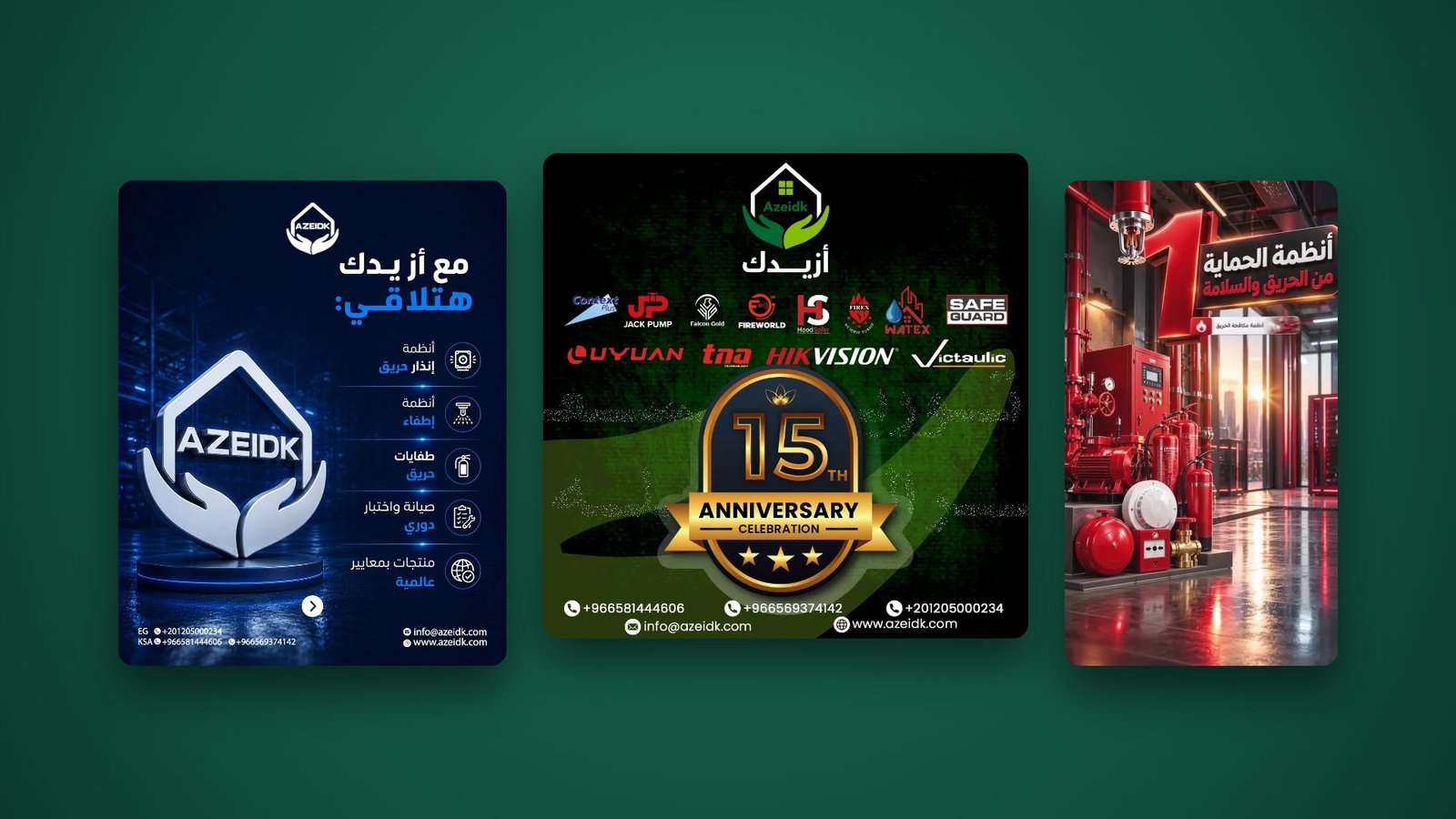
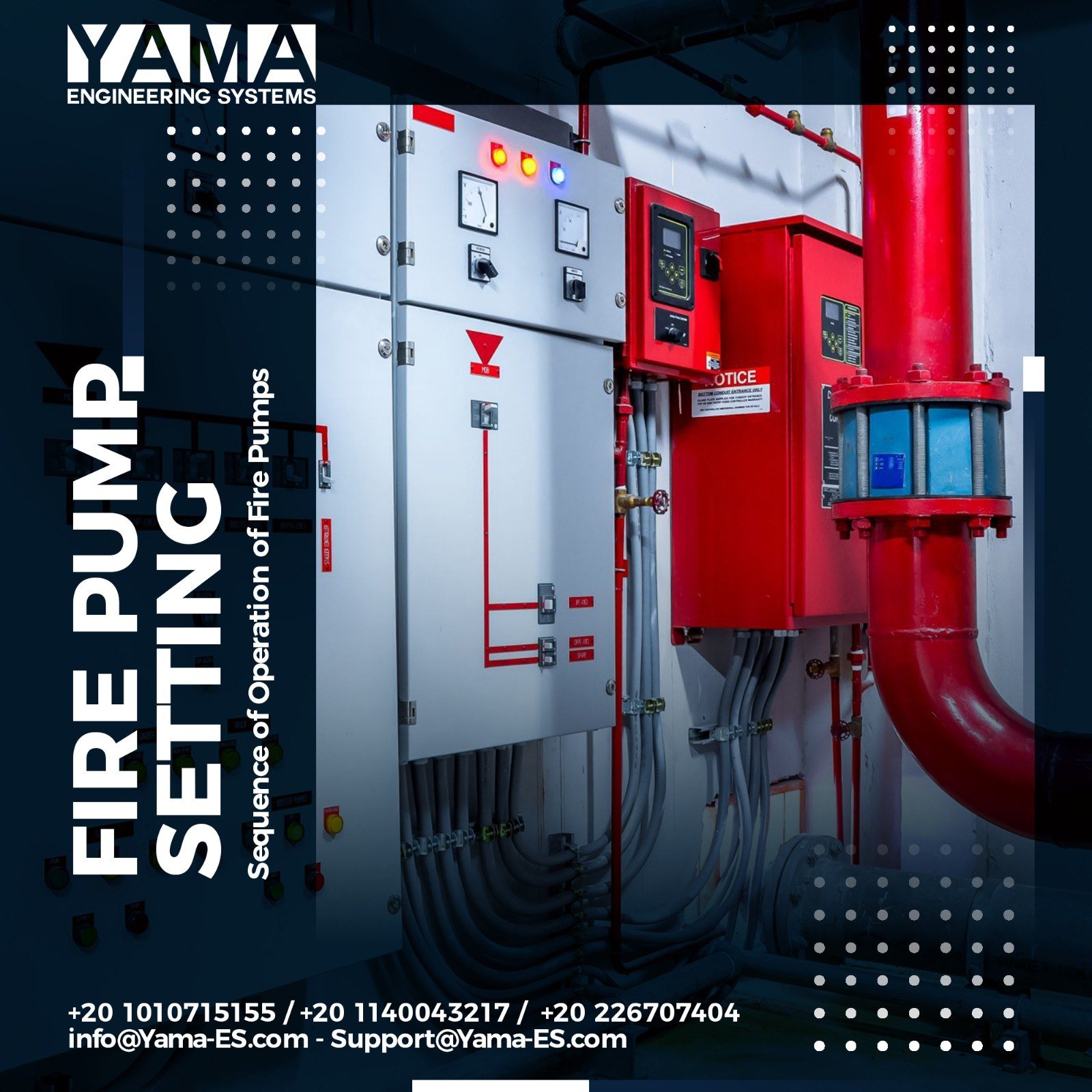
In our Azeidk work, a contracting and electromechanical company with a wide scope, the company profile was organised around clear service categories shared with the website and campaigns. Our GCS and YAMA case pages show company profiles for fire-safety companies.
What to do next
- Collect your classification certificates, commercial registration and current certificates in one folder.
- Choose the ten projects most similar to the work you want next, and check what you are allowed to publish about each.
- Ask site teams for photos of current projects before they are handed over.
- Decide which versions you need: master, short, discipline and tender.
If your profile no longer reflects the size of your company, a paid Business Diagnosis session is a quick way to agree what to change. Profile design is part of our Brand Identity and Positioning service, and tender and prequalification files are covered by our Business Solutions and Sales Enablement service.
Frequently asked questions
What should a contracting company profile include?
Company details and classification, disciplines and services, selected projects as reference sheets, the team and organisation chart, equipment and resources, quality, HSE and certificates, approved client names and a contact for tenders.
Is a company profile the same as a prequalification file?
No. A commercial profile introduces the company to clients and partners. A prequalification file follows the client's required format and scoring criteria. Both should use the same facts, projects and evidence.
Should we show project values in our profile?
Only where the contract and the client allow it. A value range is often enough, and the scope and your role usually matter more to reviewers.
Does a contracting company profile need Arabic and English?
Most contractors in Saudi Arabia need both, because government entities, developers, consultants and international partners read different languages. Keep figures and project names identical in both versions.
- Ministry of Municipalities and Housing, Contractor Classification Law (English translation for guidance; Arabic text governs) (2024-12).
- Expo 2030 Riyadh Company (EXPRO), Prequalification of Tenderers Procedure.
- Muqawil platform, Saudi Contractors Authority, Contractor Classification.