- Commission decision-stage content first: website service pages, the company profile and sales messages.
- Write Arabic and English for their own readers from one agreed message, rather than translating word for word.
- Google's people-first guidance rewards original substance, clear authorship and human oversight of AI-assisted drafts.
- A style guide, a glossary and one named approver keep content consistent across writers and channels.
Companies in Saudi Arabia that look for content writing services usually need more than social media captions. They need the website explained clearly in Arabic and English, a company profile that procurement can read, service and product sheets, articles that rank, LinkedIn posts for the CEO, and the WhatsApp and email messages the sales team sends every day. When each of these is written by a different person with a different brief, the company sounds like several companies.
This guide sets out what corporate content to commission, how to handle Arabic and English properly, what a sound writing and approval process looks like, and how to judge the result. Arabic and English copywriting is part of RX’s Social Media & Content service, alongside monthly plans and channel management.
What corporate content a company actually needs
Start with an inventory, not with a monthly post count. The table lists the content types most B2B and service companies in the Kingdom use, who reads each one, and what it must do.
| Content | Main reader | Job it must do | Update rhythm |
|---|---|---|---|
| Website pages (home, about, services, products) | Buyers comparing suppliers; search engines | Explain what you do, for whom, and how to contact you | When services change; review yearly |
| Company profile text | Procurement, consultants, partners | Prove capability with evidence | Quarterly for projects and certificates |
| Service and product sheets | Technical buyers, engineers | Answer specification questions quickly | With each product or scope change |
| Articles and guides | Searchers with a problem | Answer real questions; earn search visibility | Regular, planned topics |
| Social media copy | Followers, existing customers | Keep the brand visible and credible | Monthly plan |
| Executive LinkedIn posts | Peers, clients, recruits | Build the leader’s and company’s reputation | Weekly or as agreed |
| Sales messages (WhatsApp, email, proposals) | Prospects already in contact | Move a conversation to a meeting or a quotation | Revise as objections change |
Most companies over-invest in the fourth and fifth rows and under-invest in the first three. Yet the website, the profile and the sales messages are what a buyer reads at the moment of decision. If you commission content writing, start with those.
Arabic and English: write both, do not just translate
A literal translation from English into Arabic, or the reverse, is the most common quality problem in Gulf corporate content. The sentence structure, the length and the persuasive emphasis differ between the two languages. A better approach is to agree the message once, then write each language for its own reader.
- Choose the lead language per piece. For government, semi-government and many Saudi buyers, the Arabic version is often the one that matters most. For international principals and some technical audiences, English leads. Decide which language is drafted first and treat the other as an adaptation, not a word-for-word copy.
- Decide the register. Modern Standard Arabic suits websites, profiles, proposals and formal articles. A lighter, more conversational Arabic can work on social media and in WhatsApp replies. Write this decision into a short style guide so different writers stay consistent.
- Keep terminology fixed. Technical terms, product names and service names should have one approved Arabic and one approved English form. A glossary prevents the website saying one thing and the profile another.
- Numbers, dates and currency. Agree how you write numerals, dates and prices. Since February 2025 the Saudi riyal has an official symbol; usage rules reported by Arabian Business place it to the left of the number with a space and in line with the surrounding text direction (check SAMA’s current guidelines). It was encoded in Unicode 17.0 in September 2025, but font support varies, so check how it displays on your website and in documents before using it widely.
For websites, give each language its own page. Google’s guidance on localized versions explains how to tell Google about language versions with hreflang annotations, and states that localized versions are only considered duplicates if the main content remains untranslated. A properly written Arabic page is a page in its own right for Arabic searches.
What search engines and readers expect from corporate content
Google’s own guidance on creating helpful, people-first content is a useful standard for any company commissioning articles and web copy, whether or not search is the main goal. Points worth building into your brief:
- Original substance. Google asks whether content offers original information, research or analysis beyond the obvious. For a company, this means your own projects, processes, data and expertise, not rewritten generic advice.
- Clear authorship. The guidance asks whether pages carry a byline where readers would expect one, and whether readers can learn about the author. Articles signed by a named expert or a clearly identified editorial team carry more weight than anonymous text.
- Written for people, not word counts. Writing to a particular word count, or mainly to attract search visits, is listed as a warning sign.
- Care with AI. Google says using automation, including AI, mainly to manipulate search rankings violates its spam policies, and lists extensive automation to produce content on many topics as a warning sign. AI can help with drafts and research, but a person who knows the subject must check the facts and the Arabic. Our guide on where AI falls short in Arabic marketing copy lists what to check.
How a sound content writing process works
The difference between content that reflects the company and content that sounds generic is usually the process, not the writer’s talent. A workable sequence:
- Brief. The purpose, the reader, the lead language, the key message, the call to action, and the sources the writer may use.
- Subject-matter input. A short interview with the engineer, product manager or sales lead who knows the topic. This is where the original substance comes from.
- Draft in the lead language. Written to the style guide and glossary.
- Adaptation into the second language. By a writer fluent in that language, checked against the same glossary.
- Fact and claims check. Every figure, certificate, client name and promise verified. Client names need permission; regulated claims need care.
- Client approval. A named person at the company approves before anything is published.
- Publish and record. Final versions stored in one place, so the next writer starts from the approved text.
What to ask a content writing provider
Whether you hire a freelancer, an agency or build an in-house role, these questions separate a capable provider from a fast one.
- Who writes the Arabic, and who writes the English? Are they native or near-native writers in each?
- Will you interview our specialists, or write from our website and the internet?
- How do you handle terminology and a style guide across writers?
- How do you use AI tools, and who checks AI-assisted drafts?
- What does the approval workflow look like, and who has final sign-off?
- Do we own the final text, and where is it stored?
- Can you show Arabic and English samples of the same piece, written for each audience rather than translated?
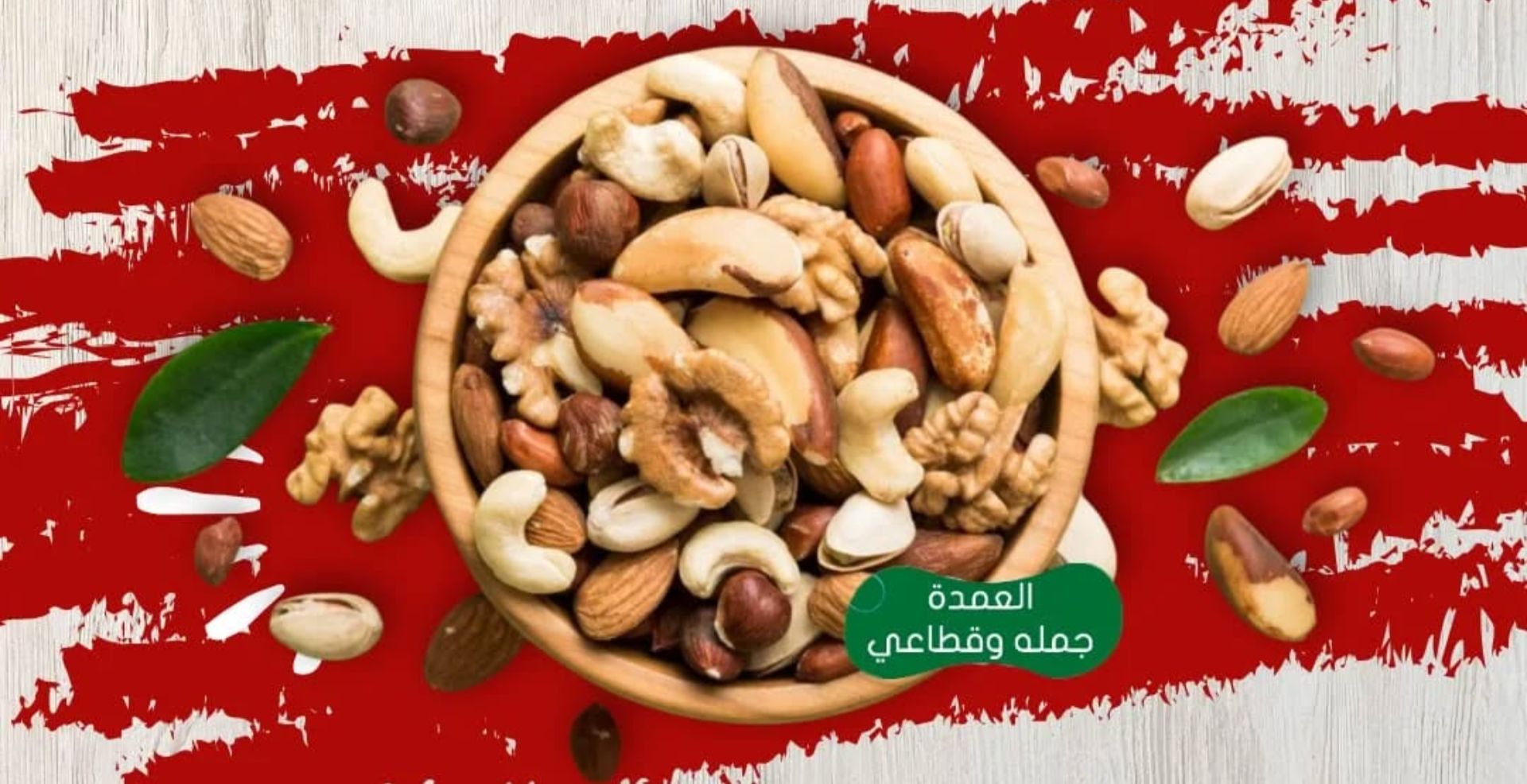
If the provider also manages your social channels, check that the monthly plan is tied to business goals. For an example of content and campaigns for a Saudi food importer, see the Elomdaa case study.
How to judge whether the content is working
- Website pages: fewer “what exactly do you do?” questions from new inquiries, and more inquiries naming a specific service.
- Articles: search impressions and clicks for the topics you target, checked in Google Search Console, and whether readers go on to service or contact pages.
- Sales messages: reply rates and the share of conversations that reach a meeting or quotation.
- Profile and sheets: feedback from sales and from buyers; fewer follow-up questions on basic capability.
- Consistency: the same service described the same way on the website, in the profile and on LinkedIn.
What to do next
- List every piece of content your company uses today, in both languages, and mark which ones are outdated or inconsistent.
- Start with the decision-stage content: website service pages, the company profile and the sales messages.
- Write a one-page style guide and a glossary of approved Arabic and English terms.
- Name one person at your company who approves content and one specialist per topic who can be interviewed.
- Brief writers with purpose, reader, lead language and call to action for every piece.
If you would rather have one team plan, write and manage your Arabic and English content, see RX’s Social Media & Content service. If you first want to know which content is holding your sales back, book a paid business diagnosis session.
Frequently asked questions
What do content writing services for companies usually include?
Typically website pages, company profile text, service and product sheets, articles and guides, social media copy, executive LinkedIn posts and sales messages such as WhatsApp replies, emails and proposal text. Agree the exact scope in writing.
Should we translate our English content into Arabic?
It is better to agree the message once and then write each language for its own reader. Literal translation often produces Arabic that reads awkwardly and loses the persuasive emphasis.
Formal Arabic or dialect for company content?
Modern Standard Arabic suits websites, profiles, proposals and formal articles. A lighter conversational style can work on social media and in WhatsApp replies. Record the choice in a style guide.
Is AI-written content acceptable for a company website?
Google's guidance says using automation, including AI, mainly to manipulate search rankings violates its spam policies, and treats extensive automation across many topics as a warning sign. AI can support drafting, but a specialist should check facts and a fluent writer should check the Arabic.
Who should approve content before it is published?
One named person at the company should give final approval, after the facts, client names and claims have been checked.
- Google Search Central, Creating helpful, reliable, people-first content.
- Google Search Central, Tell Google about localized versions of your page.
- Arabian Business, Saudi Arabia announces new rules for use of riyal symbol (2025-02-25).
- Unicode Consortium, Support for New Saudi Riyal Currency Symbol (2025-03-13).
- Unicode Consortium, Unicode 17.0 release announcement (2025-09-09).